
Black History Month: Oscar Micheaux
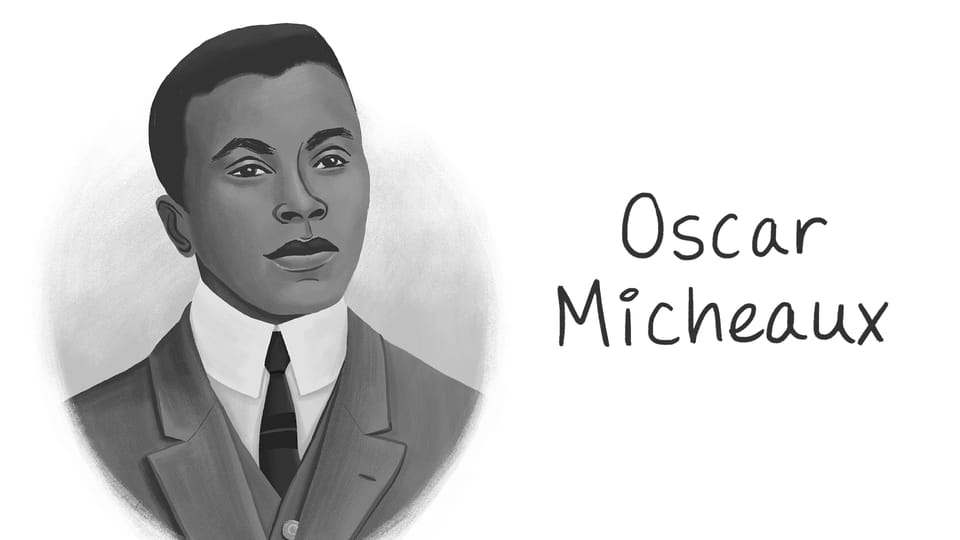
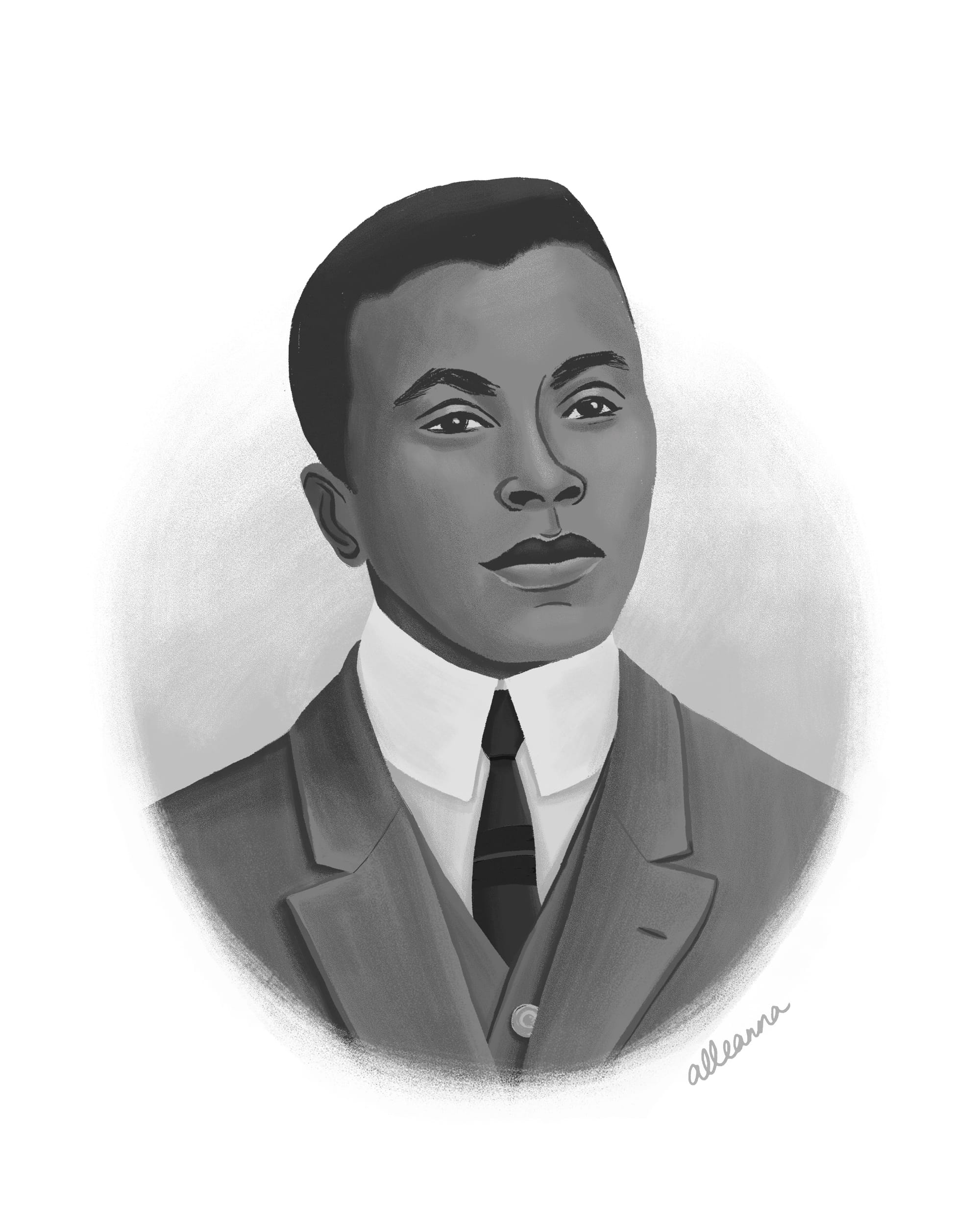
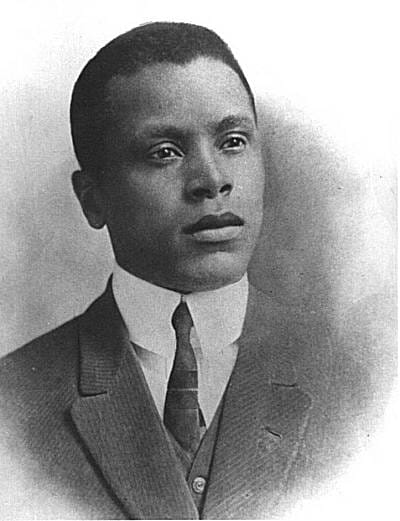
Today's Black History Month illustration is of Oscar Micheaux (1884-1951), the first major Black filmmaker and the most successful Black filmmaker of the first half of the 20th century.
He wrote, produced and directed 44 films between 1919 and 1948. His films featured contemporary Black life, complex characters, and he sought to counter the negative on-screen portrayal of Black people on screen.
In 1913, he released his first novel, The Conquest The Story of a Negro Pioneer, loosely based on his own life as a homesteader. It attracted attention from a film production company in LA, which wanted to adapt the book into a film. The deal fell through, and he decided to produce and shoot the film himself in Chicago.
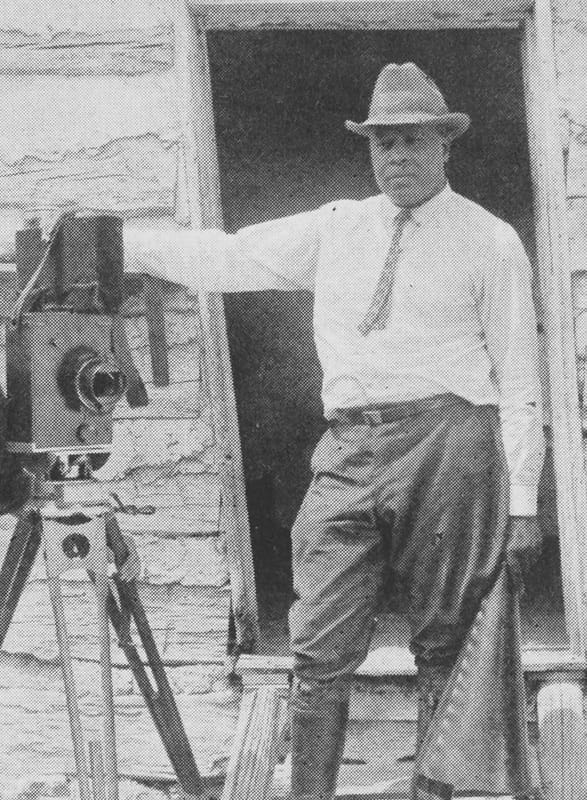
Micheaux set up his own film and book publishing company, then released the film, “The Homesteader” in 1919. The silent film featured a Black man who entered a rocky marriage with a Black woman, played by actress Evelyn Preer, despite being in love with a white woman. It garnered praise from critics, and one of them called it a “historic breakthrough, a creditable, dignified achievement.”
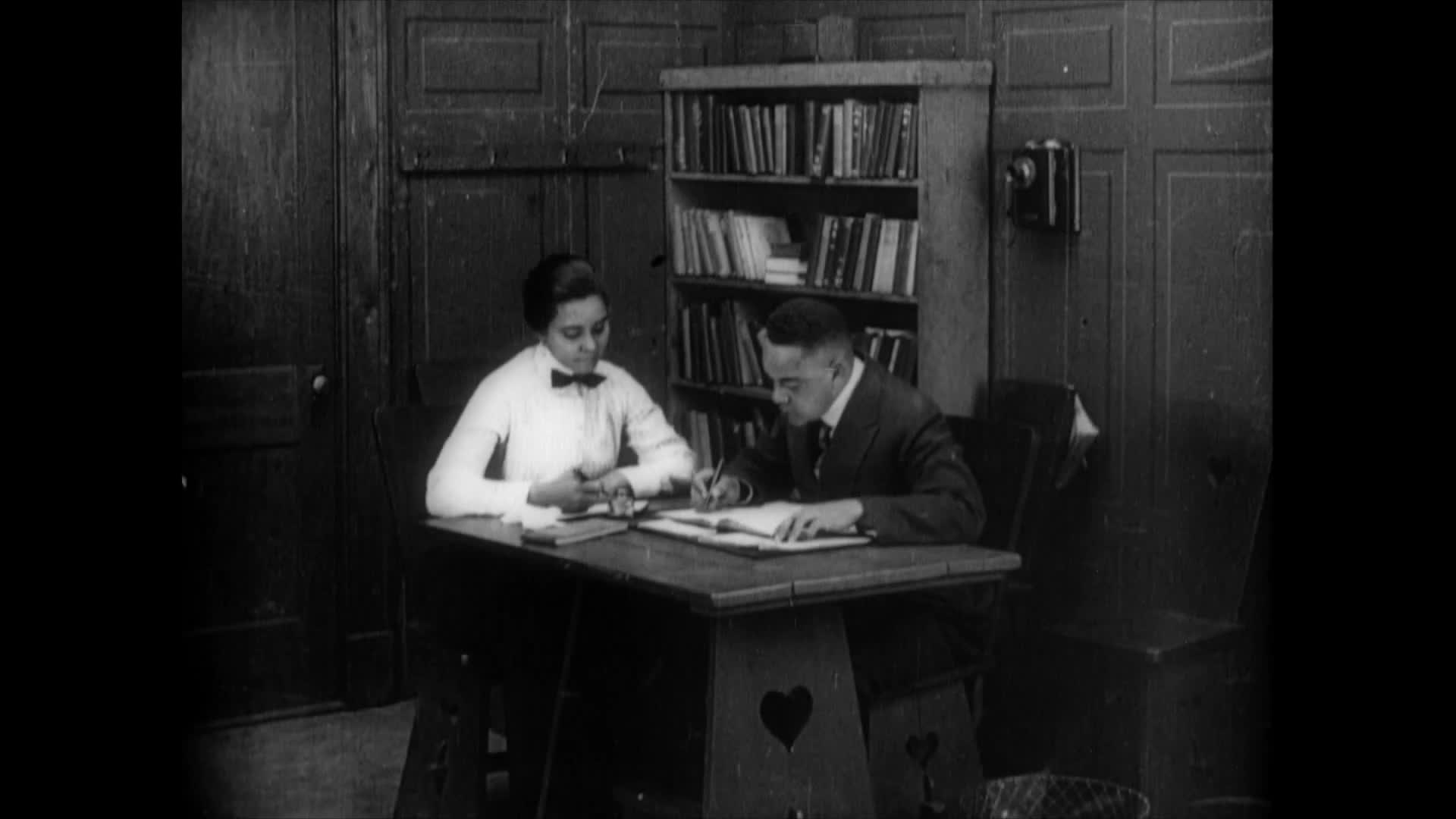
Below is Micheaux’s second film, “Within Our Gates” (1920), the earliest known surviving feature film directed by an African American. (Shout out to the Library of Congress!) Within Our Gates was created in response to The Birth of a Nation and showed the reality of Dixie racism in 1920.
Micheaux wanted to offer audience a Black version of Hollywood movies, but because he operated under financial and technical restraints, his films were poorly lit and edited. He used non-professional actors and scenes were shot in one take, often filled with flubs.
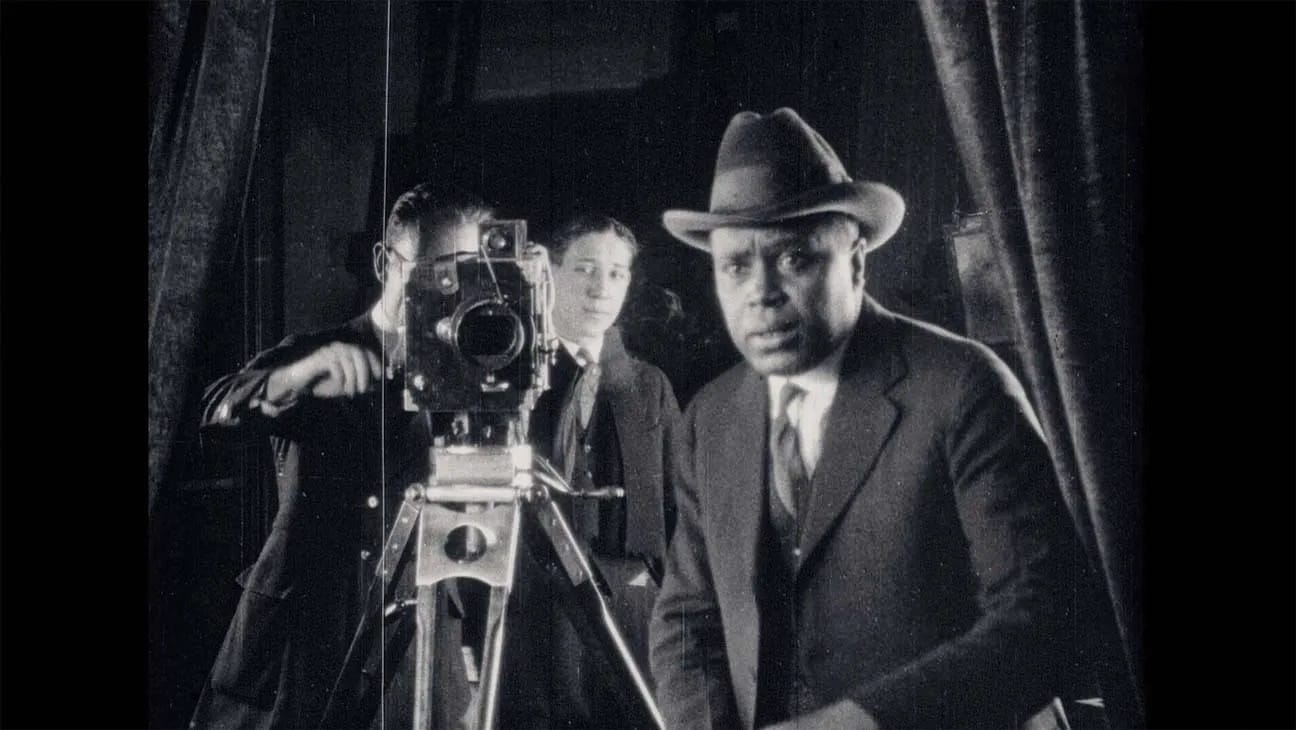
Even though Black critics and audiences rejected his later films as racially ambivalent due to bourgeois ideologies, his films brought diverse images of Black life and social issues to the screen for the first time. His prolific career was truly groundbreaking, especially for the time he lived in.
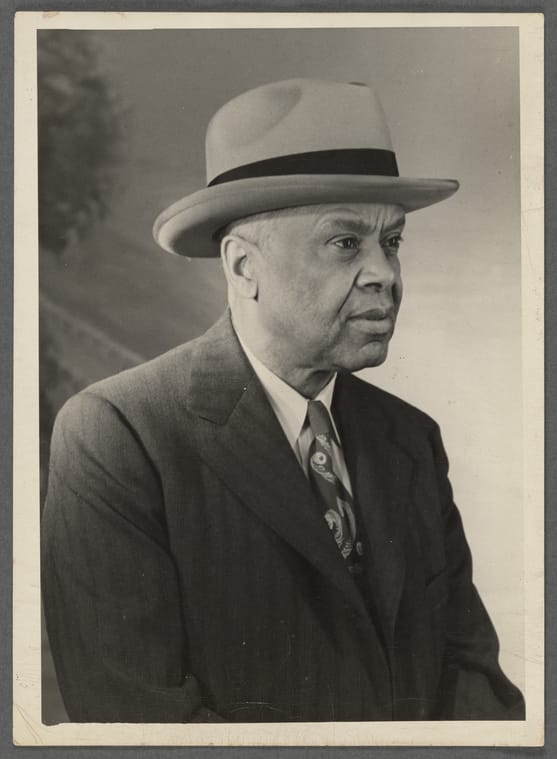
The Oscar Micheaux illustration is available as an art print here.
I’ll be back on Monday with another illustration and story!
-Alleanna
Thank you for reading! My blog and newsletter are reader-supported, so to help me keep it going, you can share this post with someone who would like it, read my books, or buy a Black history art print!
If you’re seeing this blog for the first time, you can read previous posts here and subscribe below.
Further watching:
Video: Oscar Micheaux: The First Black Indie Filmmaker by Black History in Two Minutes or so
Video: The Lasting Legacy of Oscar Micheaux's The Symbol of the Unconquered by Jacqueline Stewart and Turner Classic Movies
Film: Body and Soul (1925) - Directed by Oscar Micheaux, Paul Robeson, Marshall Rogers, Lawrence Chenault
Sources:



 Bill Higgins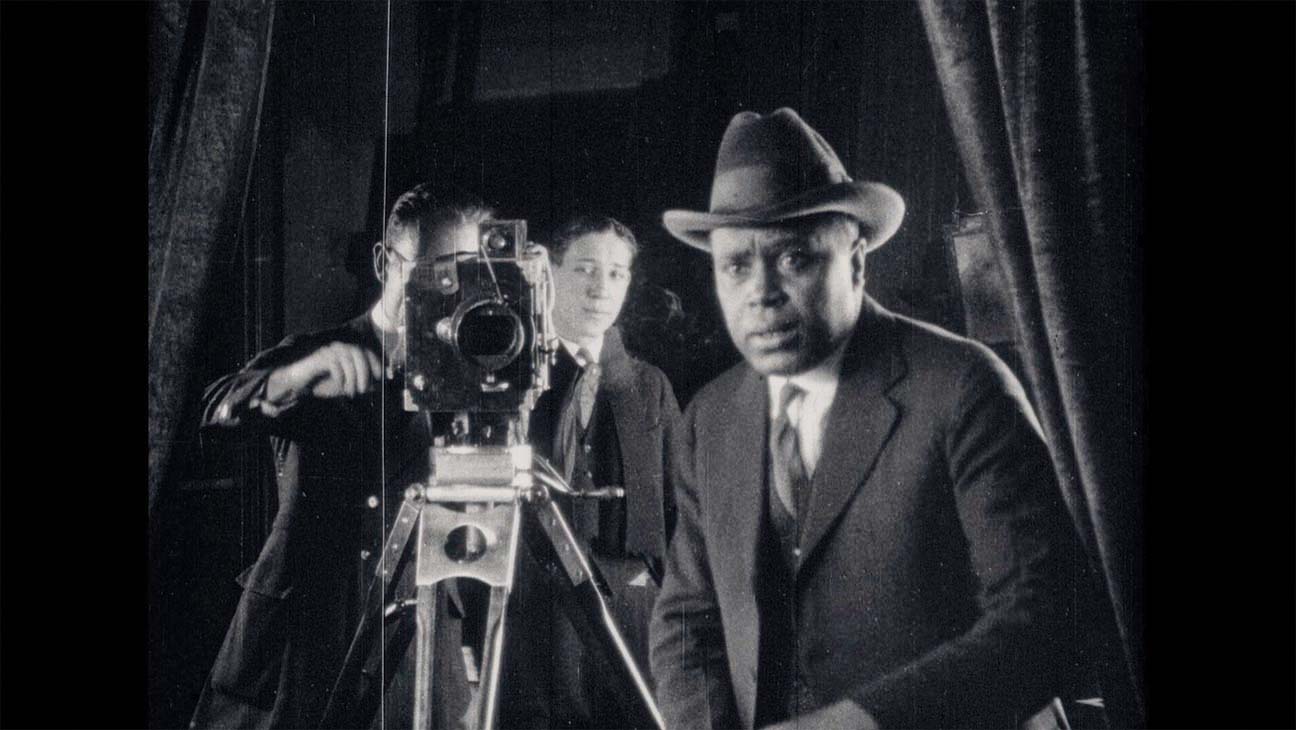


 Contributors to Wikimedia projects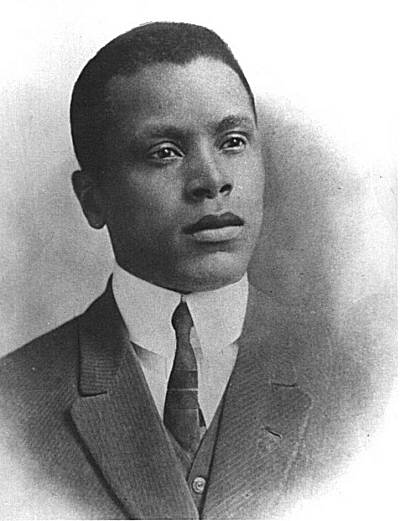



Member discussion