
Black History Month: Diahann Carroll
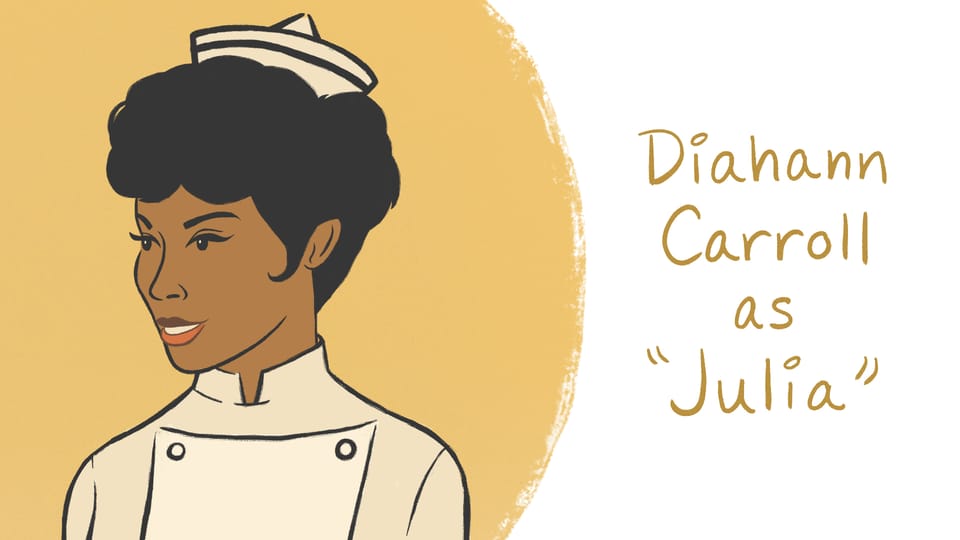
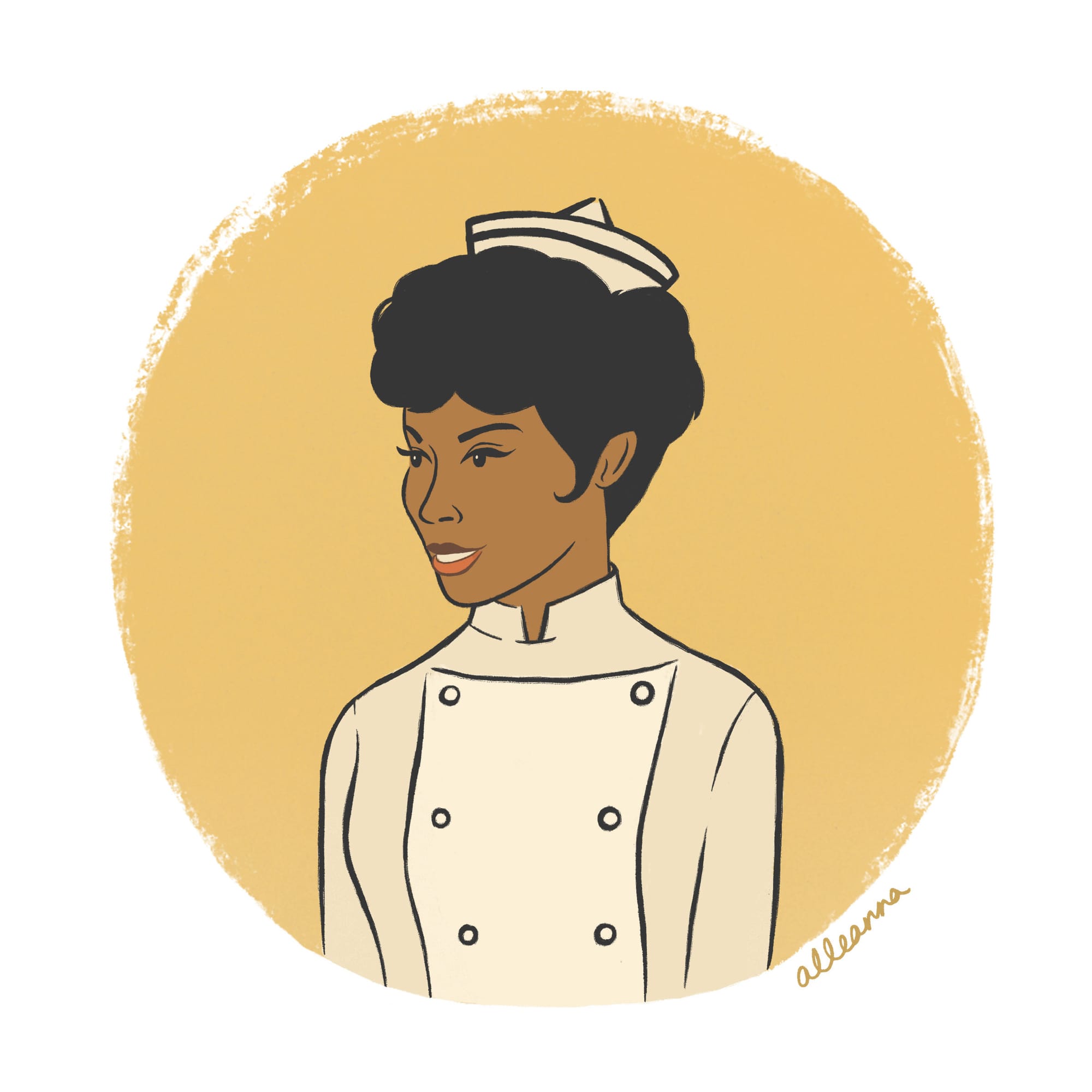
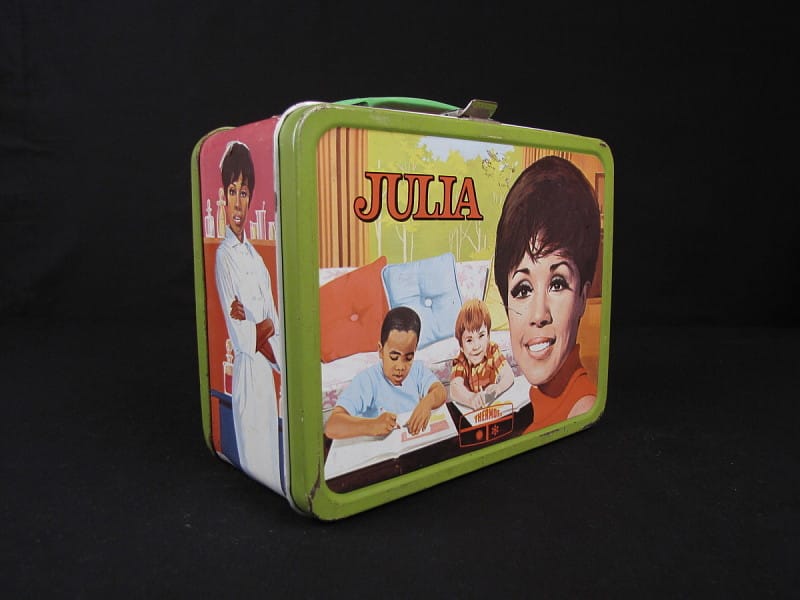
My first illustration is of Diahann Carroll in the tv show Julia (1968-1971). She was the first Black actress to star in her own TV series where she didn't play a domestic worker. She was a young widow raising a five year old son in a nice apartment while working as a nurse.
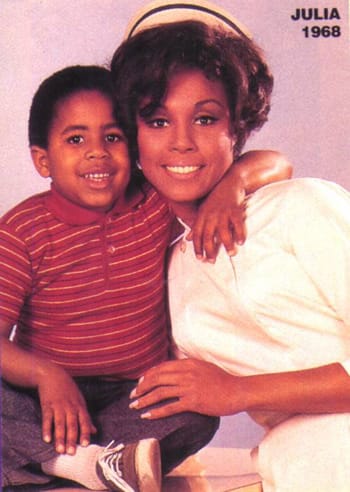
It was a hit, and Diahann Carroll won a Golden Globe Award for best actress in a comedy in its first season. However, there was a lot of critique surrounding the show. Some critics insisted that it sacrificed an authentic Black experience to gain viewers. Some critics said there was no racial consciousness within the show. Carroll herself said that “everyone and everything in the script were warm and genteel and ‘nice’ - even the racial jokes.”
The pilot episode of Julia (1968), "Mama's Man," courtesy of NBC
On set, Diahann Carroll fought for change within the show. She opposed certain scenes, especially one where Julia said she didn’t experience racism until her high school prom. Carroll felt so strongly that she left the TV lot on the day of the taping. She also wanted Julia to wear an afro, but that idea was rejected.
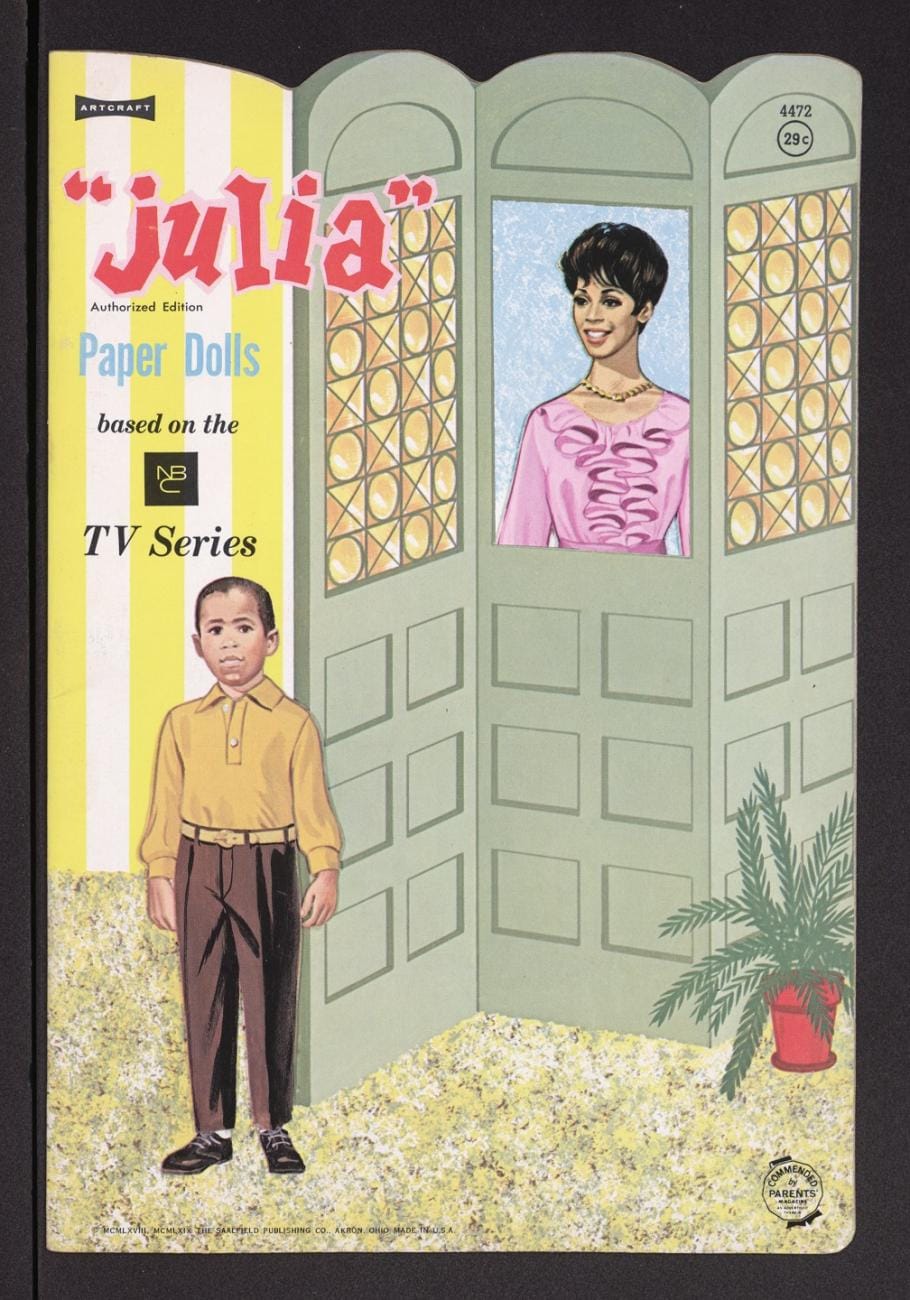
The criticism surrounding the show actually sent Carroll to the hospital twice with stress related symptoms. Even though she had little involvement in the writing, she felt pressured to justify it.
In 1970, the pressure of the show’s impact took a toll on Carroll, and she asked to be released from her contract at the end of the third season.
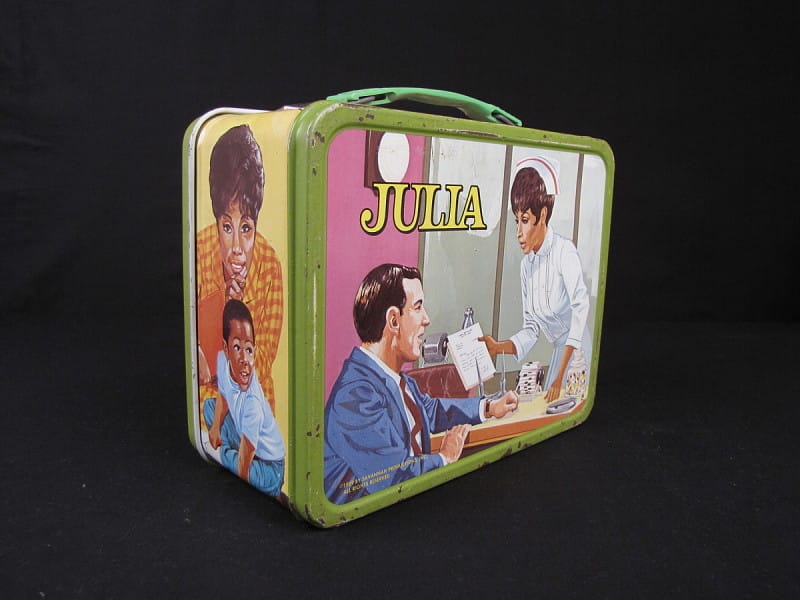
Overall, Julia was a big step in broadcast history and is still viewed as such. The show is featured in an exhibition in the Taking the Stage Gallery at the National Museum of African American History & Culture (NMAAHC), so if you’re there, check it out.
Also, my illustration of Diahann Carroll as Julia is available as an art print here!
I'll be back with another Black figure tomorrow.
Excitedly,
Alleanna
Further watching:
Documentary: Diahann Carroll by Biography.com 51 mins
Interview: "An Evening with Diahann Carroll" with Gwen Ifill and The HistoryMakers at George Washington University’s Jack Morton Auditorium (2005) 56 mins
Interview: Diahann Carroll Career Retrospective, moderated by Paul Ryan with the SAG-AFTRA Foundation (2006) 1 hr 50 mins
Thank you for reading! My blog and newsletter are reader-supported, so to help me keep it going, you can share this post with someone who would like it, read my books, or buy a Black history art print!
If you’re seeing this blog for the first time, you can read previous posts here and subscribe below.
Sources:

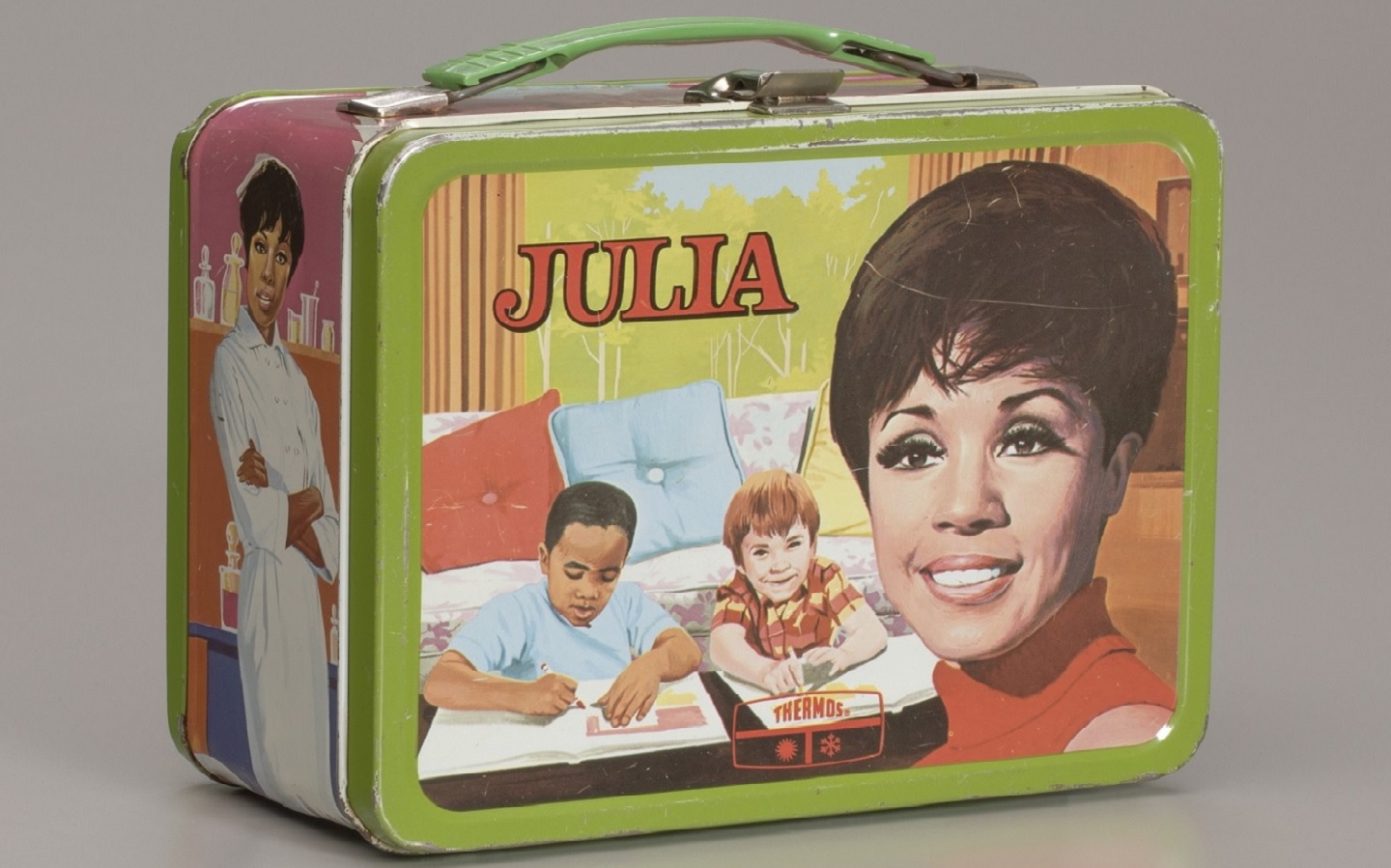

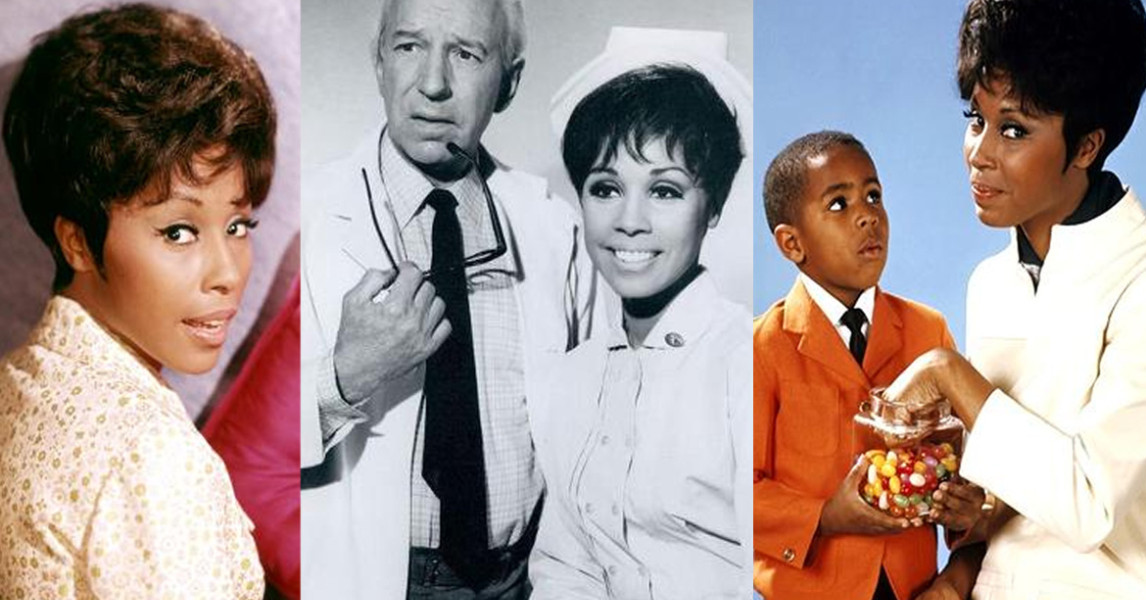


 Smithsonian Institution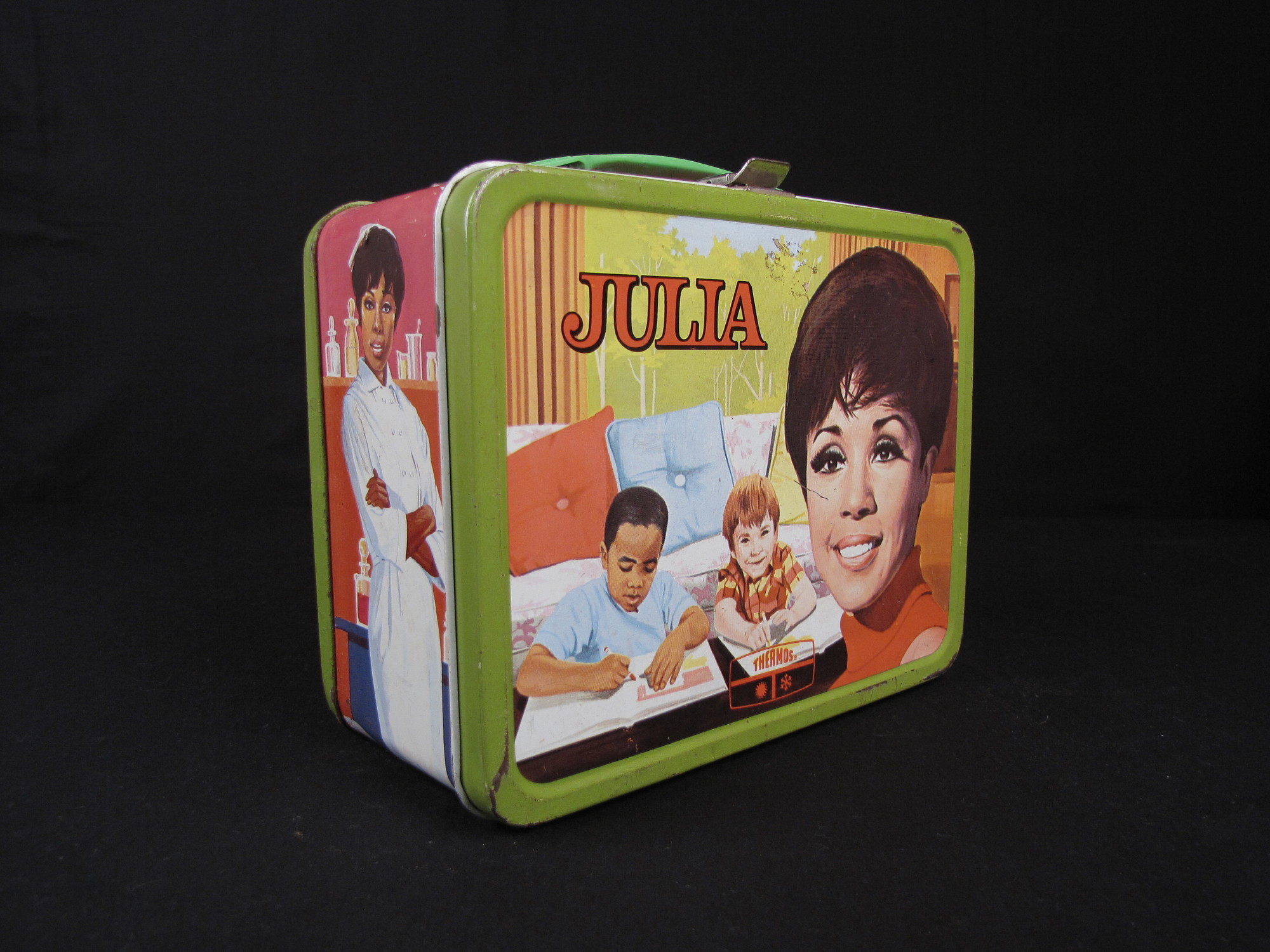


Member discussion