
Black History Month: Josephine Baker
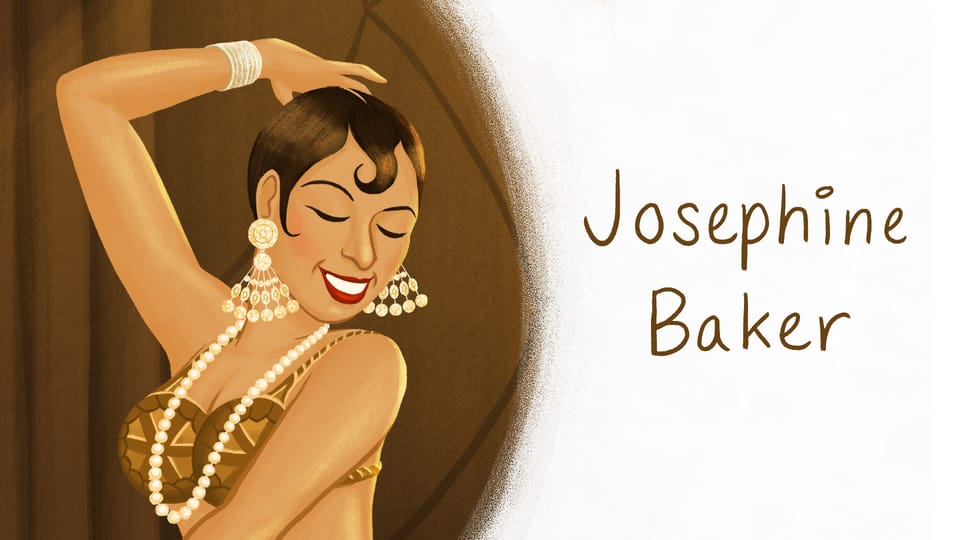
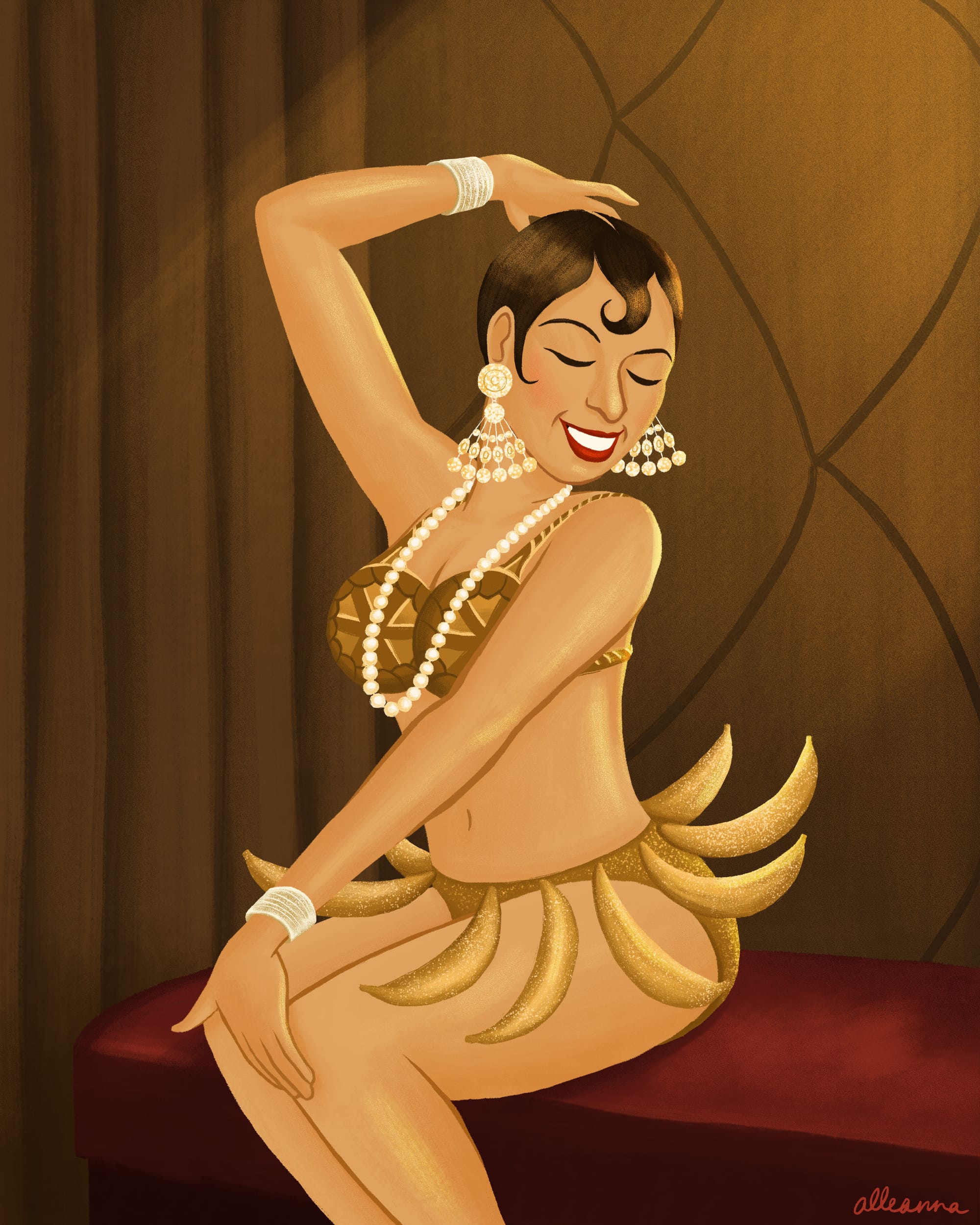
Today's Black History Month illustration is of Josephine Baker. She was a world famous entertainer, WWII spy, and activist.
Freda Josephine McDonald was born in St. Louis, Missouri in 1906. Her parents were both vaudeville performers, but Baker would have to take on odd jobs to help support her family.
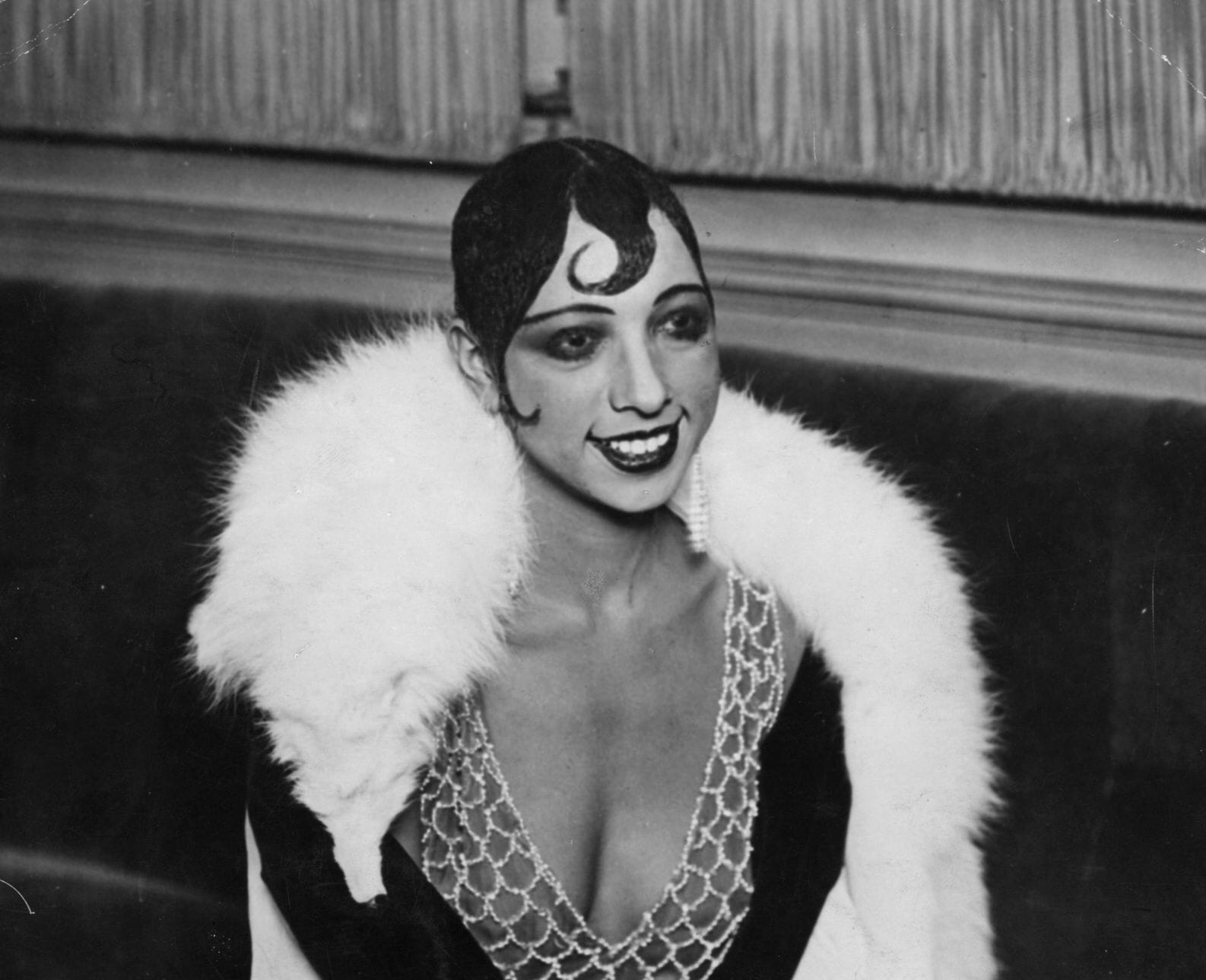
At the age of 15, she ran off and joined a dance troupe from Philadelphia. She also got married, took her husband’s last name, dropped her first name and started going by the name Josephine Baker. After acting and dancing in musicals, she moved to New York City and was soon performing at the Plantation Club where she became a crowd favorite.
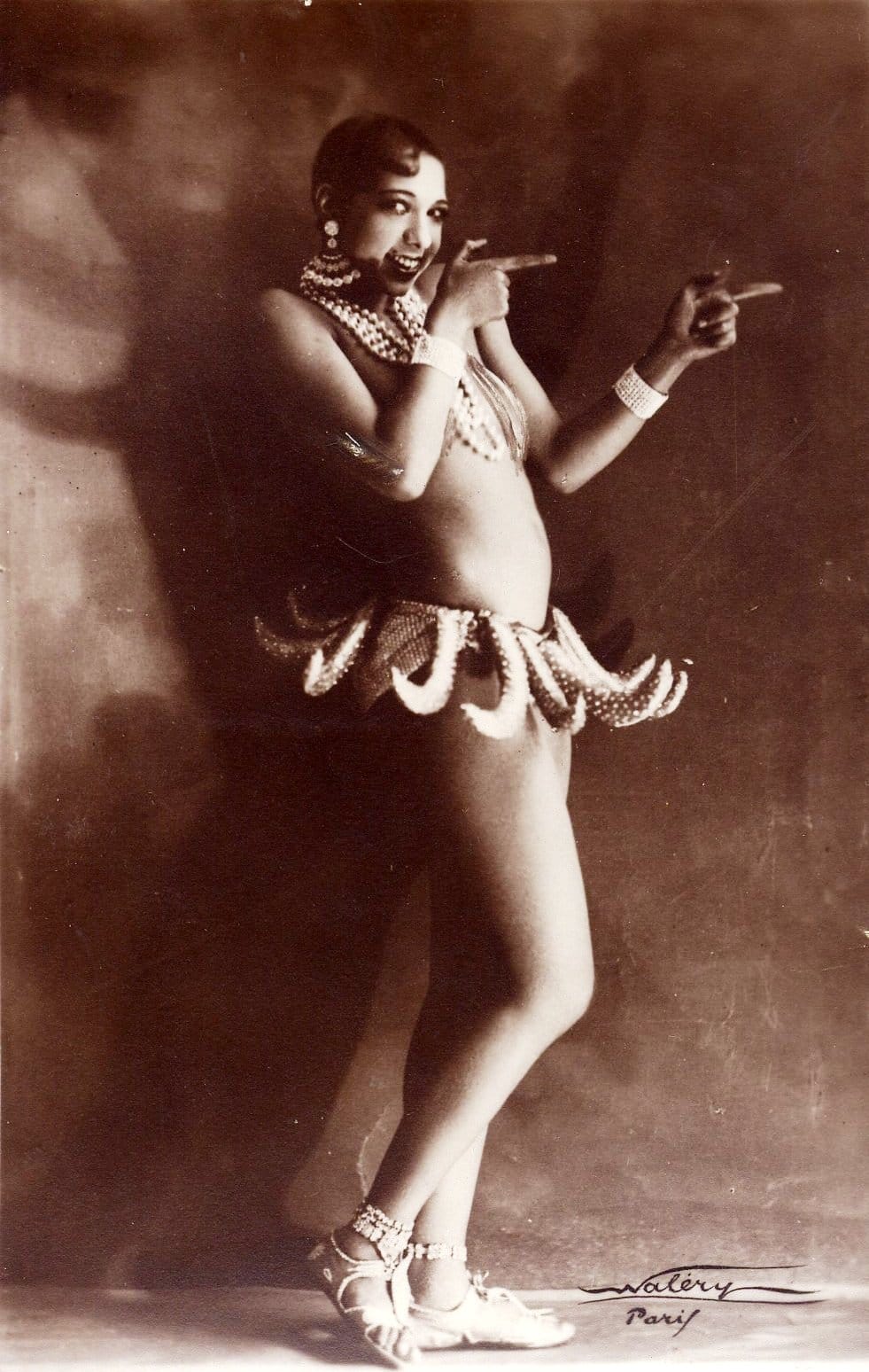
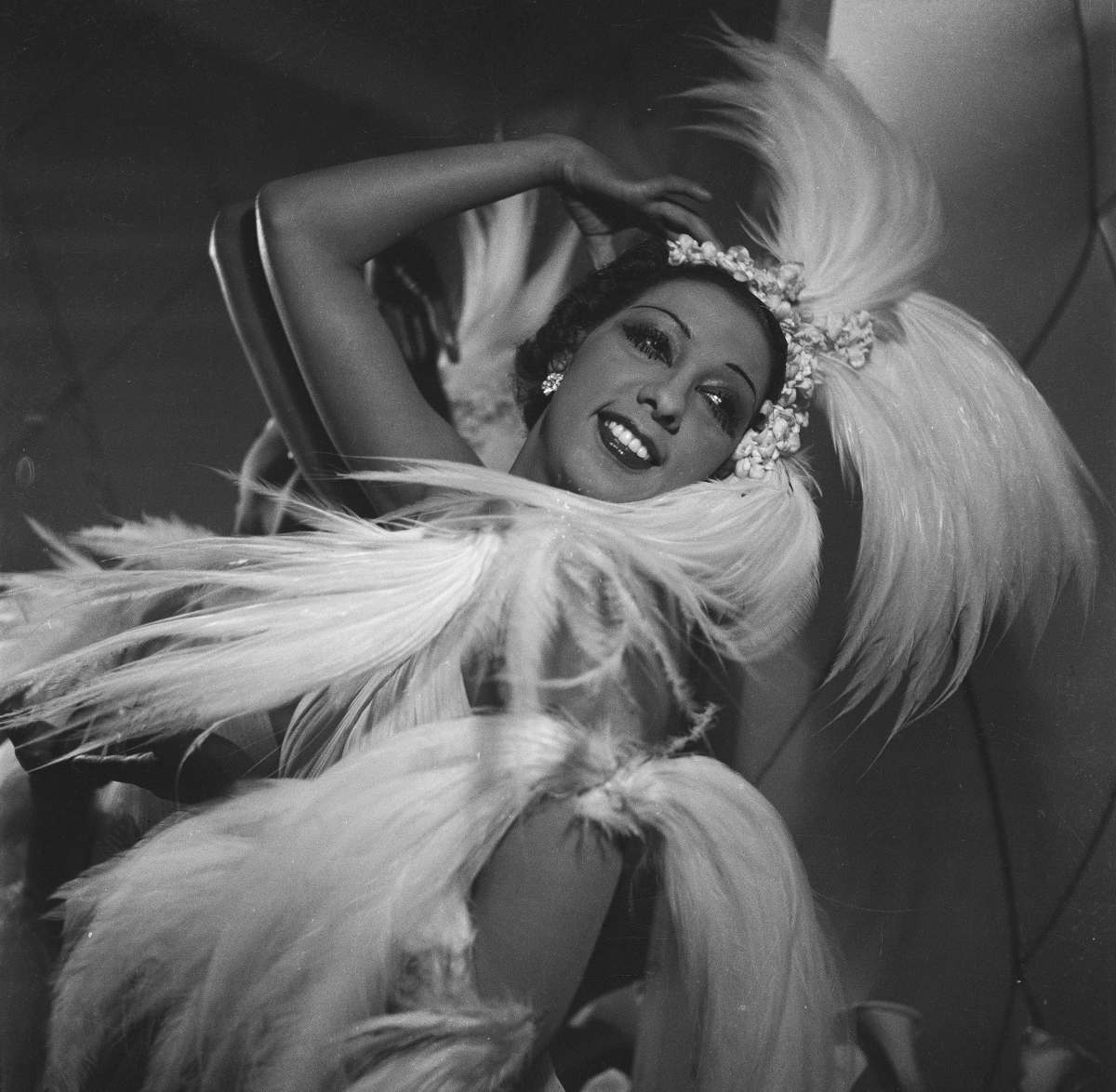
In 1925, Baker went to Paris to dance at the Théâtre des Champs-Élysées in La Revue Nègre. When the Revue closed, she was given her own show and her career skyrocketed.
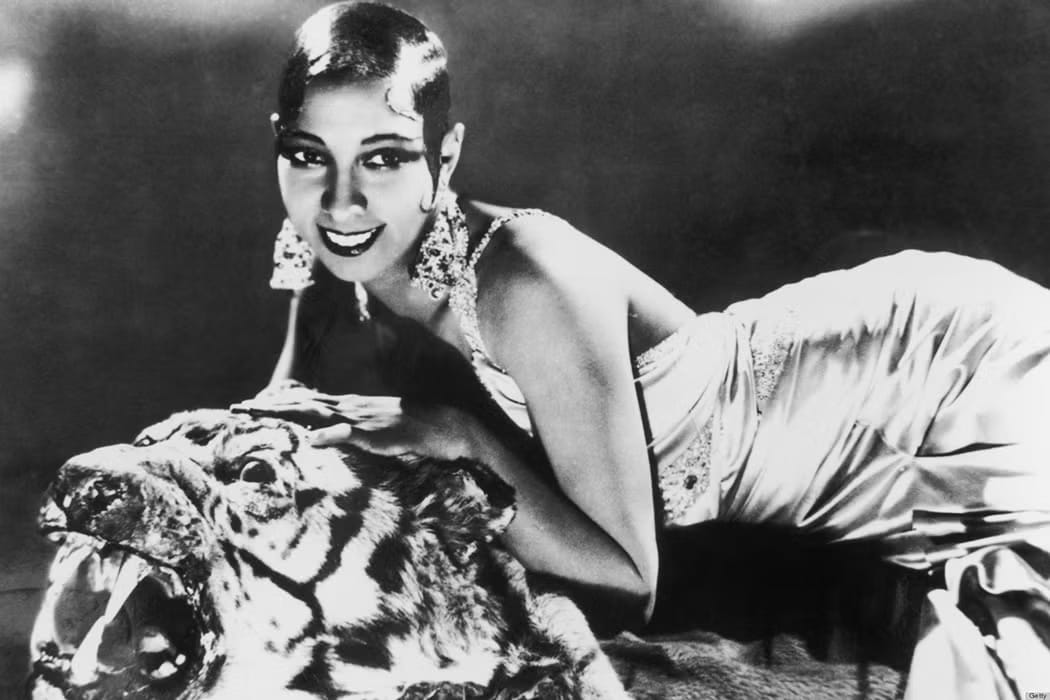
She was the first Black woman to star in a motion picture and one of the first Black entertainers to achieve acclaim on screen and stage.
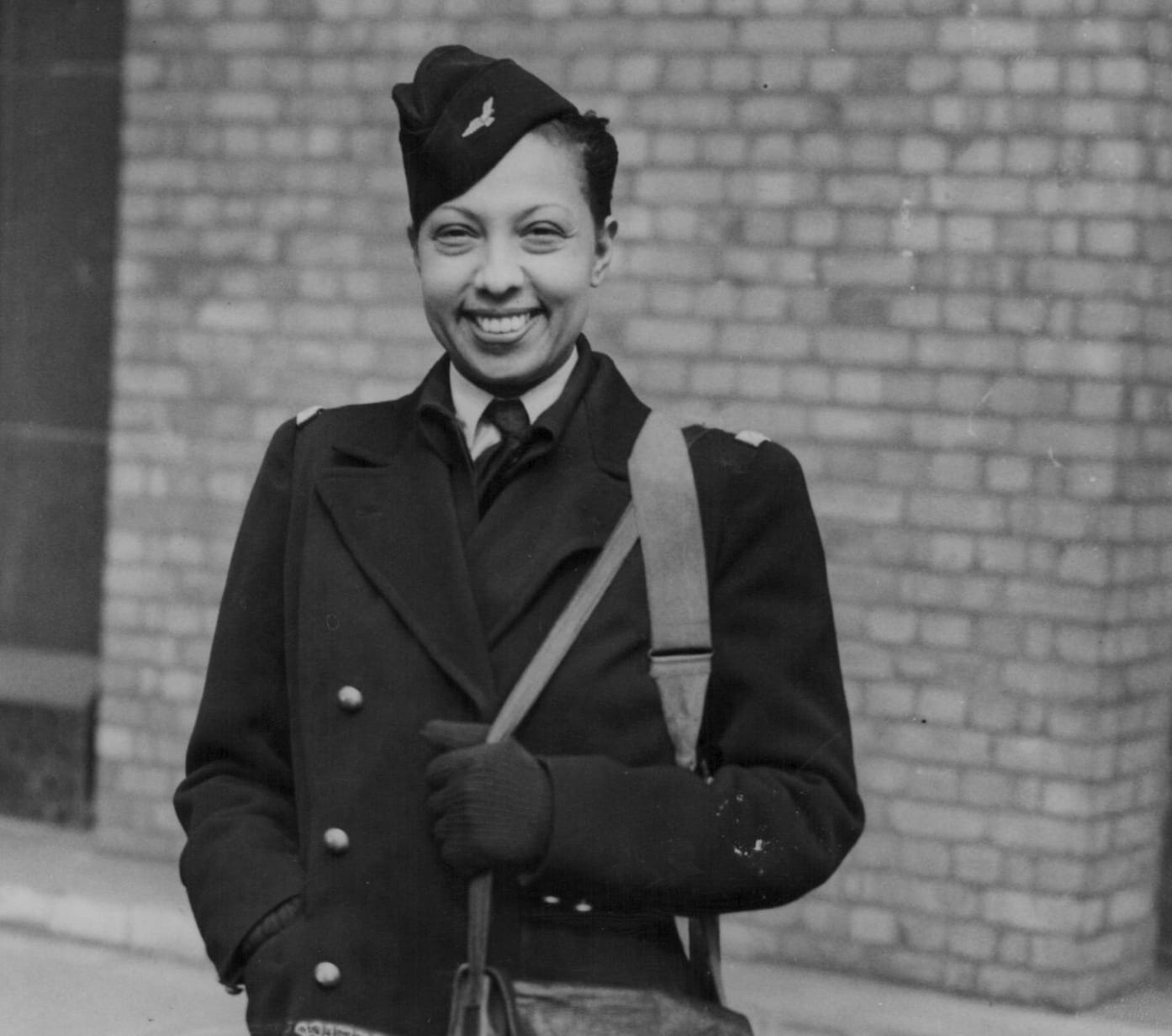
Baker became a citizen of France in 1937. When the Germans occupied France during WWII, she worked with the Red Cross and the French Resistance by transporting confidential information by writing with invisible ink on her sheet music. She was awarded the Croix de Guerre and the Legion of Honor with the rosette of the Résistance.
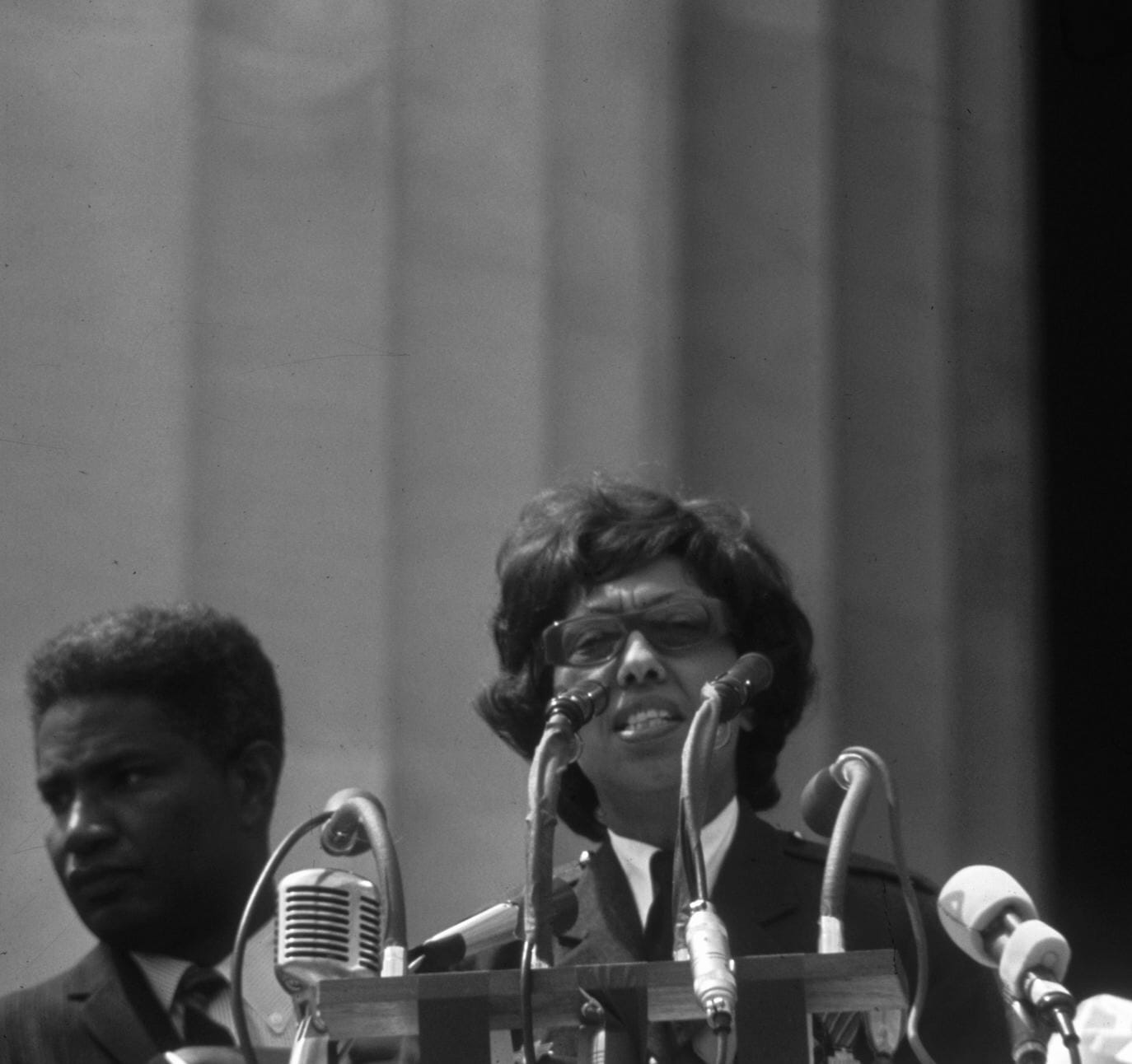
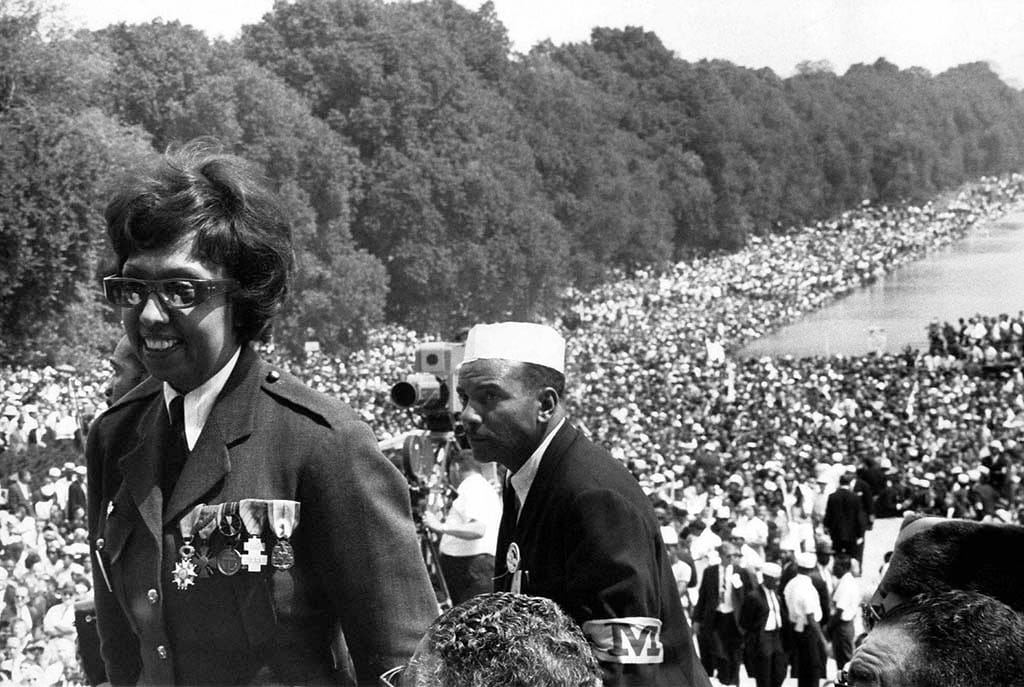
Baker traveled many times to the US to participate in the civil rights movement. She was the only woman who spoke at the March on Washington for Jobs and Freedom in 1968.
Her time at home forced her to confront segregation and discrimination that she didn’t experience overseas. She often refused to perform for segregated audiences and club owners were forced to integrate for her shows.
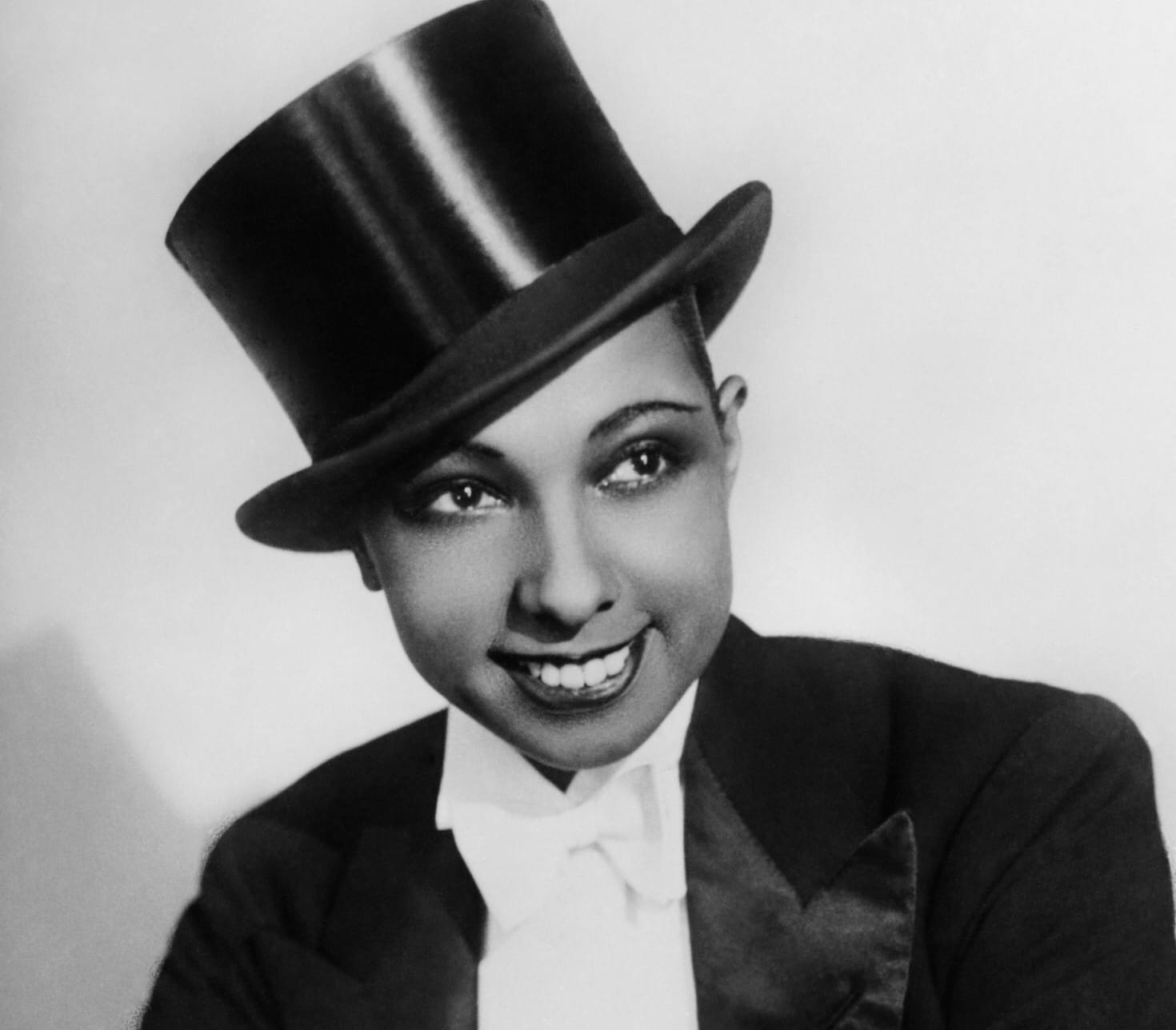
Along with fighting racial injustices, she was also a trailblazer in her personal life. Baker, who was known to have relationships with both men and women, also moved seamlessly between menswear and womenswear. She was known as a queer style icon.
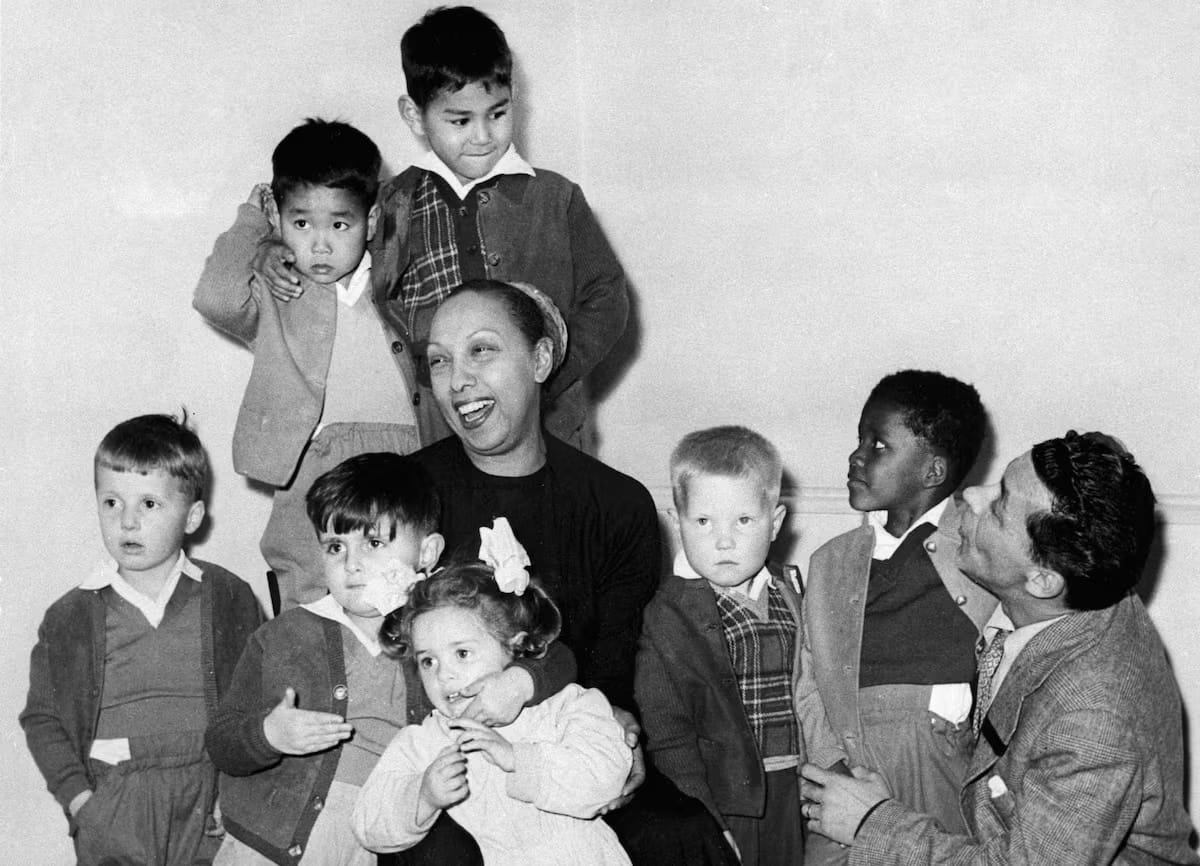
Also, throughout Baker's career, she adopted 13 children from different countries in an effort to show that both racial and cultural harmony could exist. She called her family "the rainbow tribe" and they lived in the Chateau des Milandes in southwestern France.
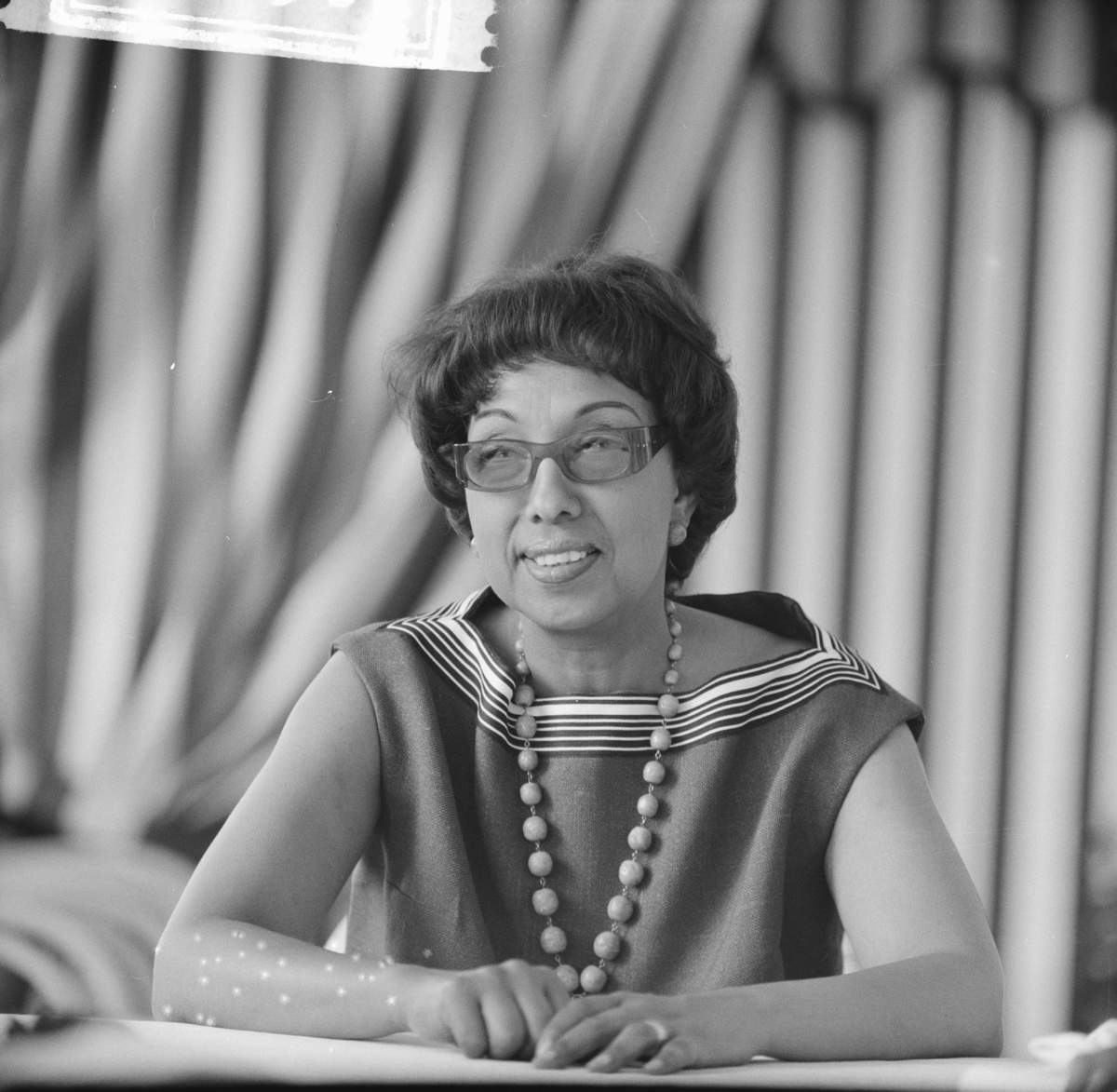
She continued to perform until her death in 1975, during the celebration of the 50th anniversary of her Paris debut.
My illustration of Josephine Baker is available as an art print here.
I’ll be back tomorrow with the last illustration and story!
-Alleanna
Thank you for reading! My blog and newsletter are reader-supported, so to help me keep it going, you can share this post with someone who would like it, read my books, or buy a Black history art print!
If you’re seeing this blog for the first time, you can read previous posts here and subscribe below.
Further reading and watching:
Picture Book: Josephine: The Dazzling Life of Josephine Baker, written by Patricia Hruby Powell and illustrated by Christian Robinson
Movie: The Josephine Baker Story (1991) (2 hrs 10 mins)
Transcript: Josephine Baker's Speech at the March on Washington (1963)
Video Clip: Josephine Baker in "Zouzou" (1934) (2 mins)
Live Performance: Josephine Baker at the London Palladium (1974) (2 mins)
Interview: Josephine Baker in Conversation with Erik Bye (1971) (11 mins)
Sources:

 France Today Editors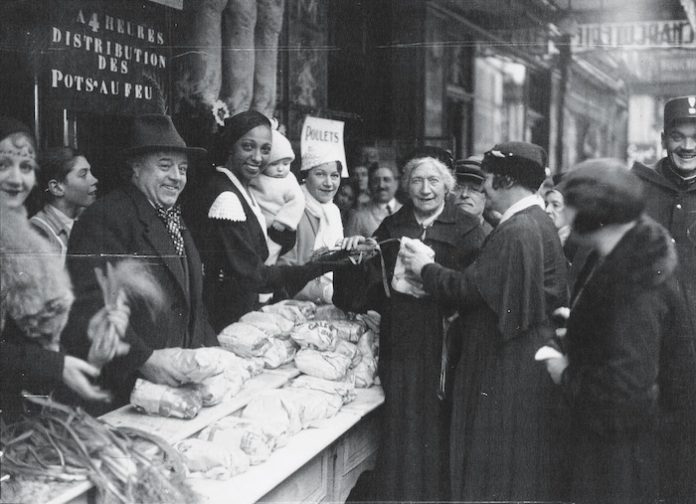
 Erin Blakemore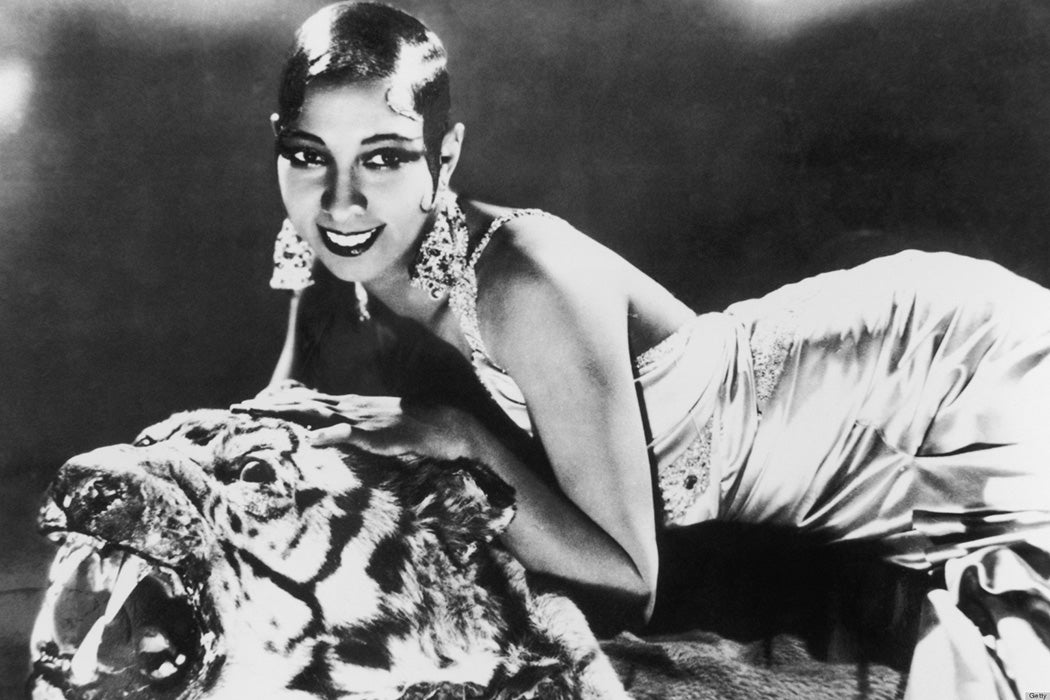
 Nora G. Fornés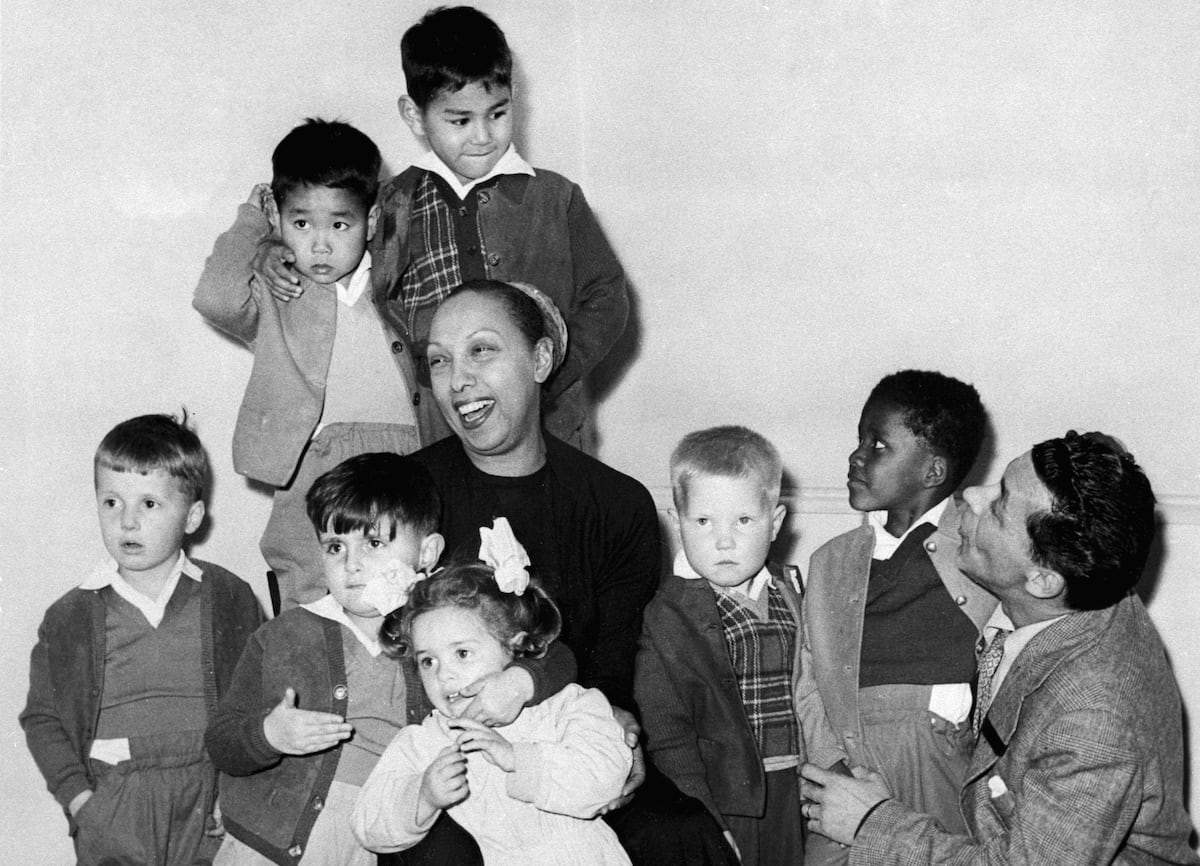
 Olivia B. Waxman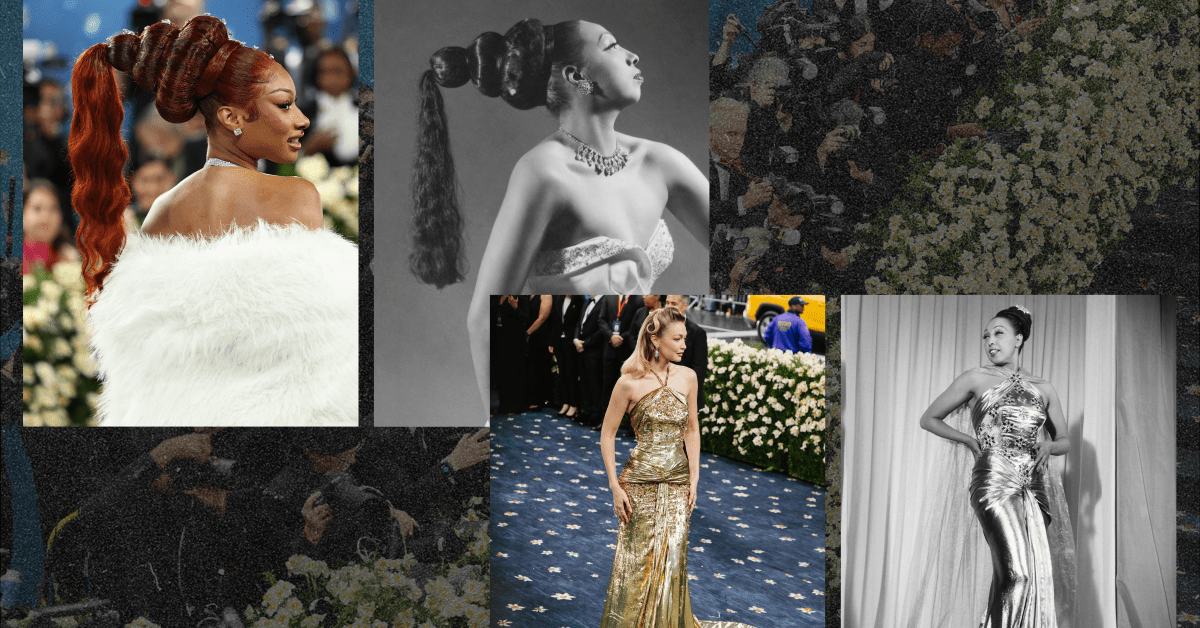

Member discussion