
Black History Month: Henry Ossawa Tanner
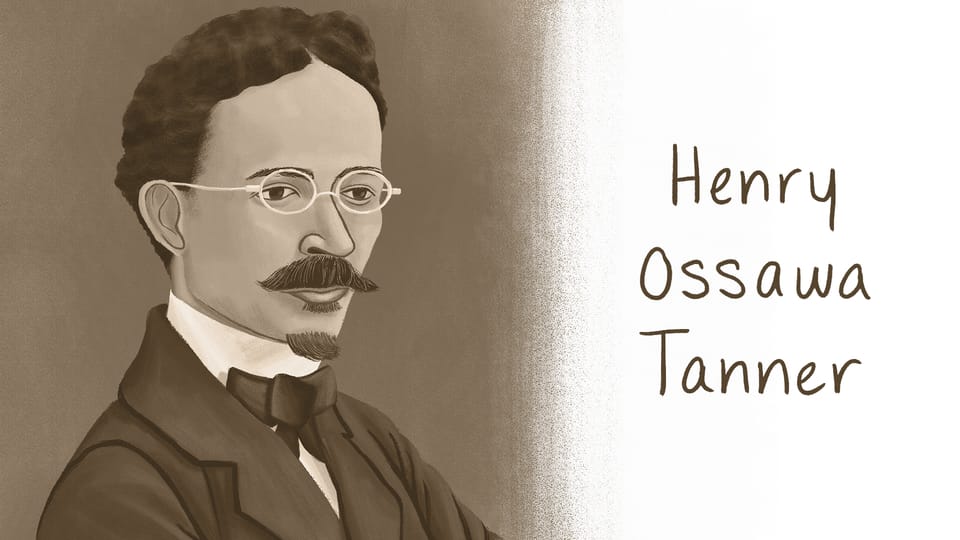
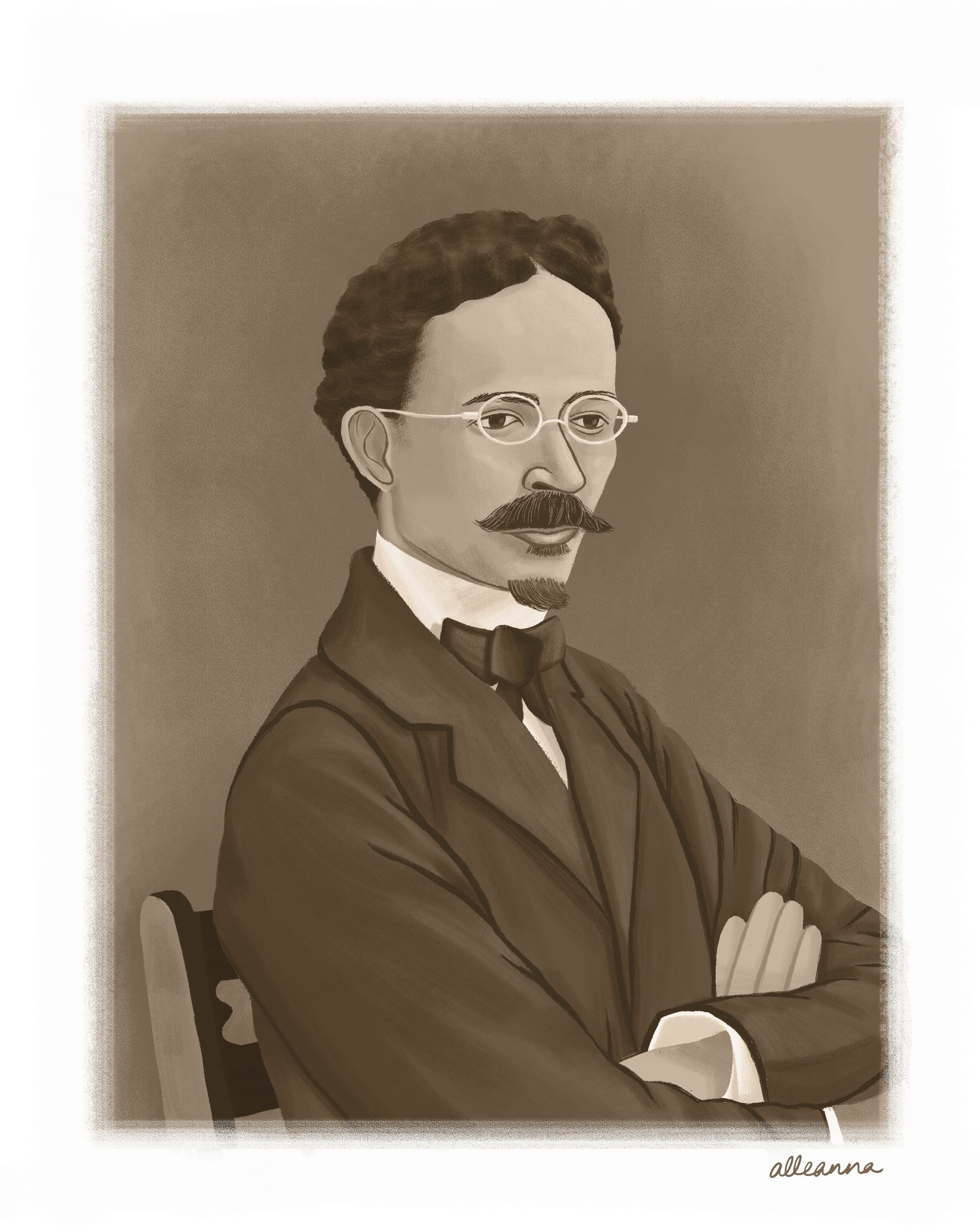
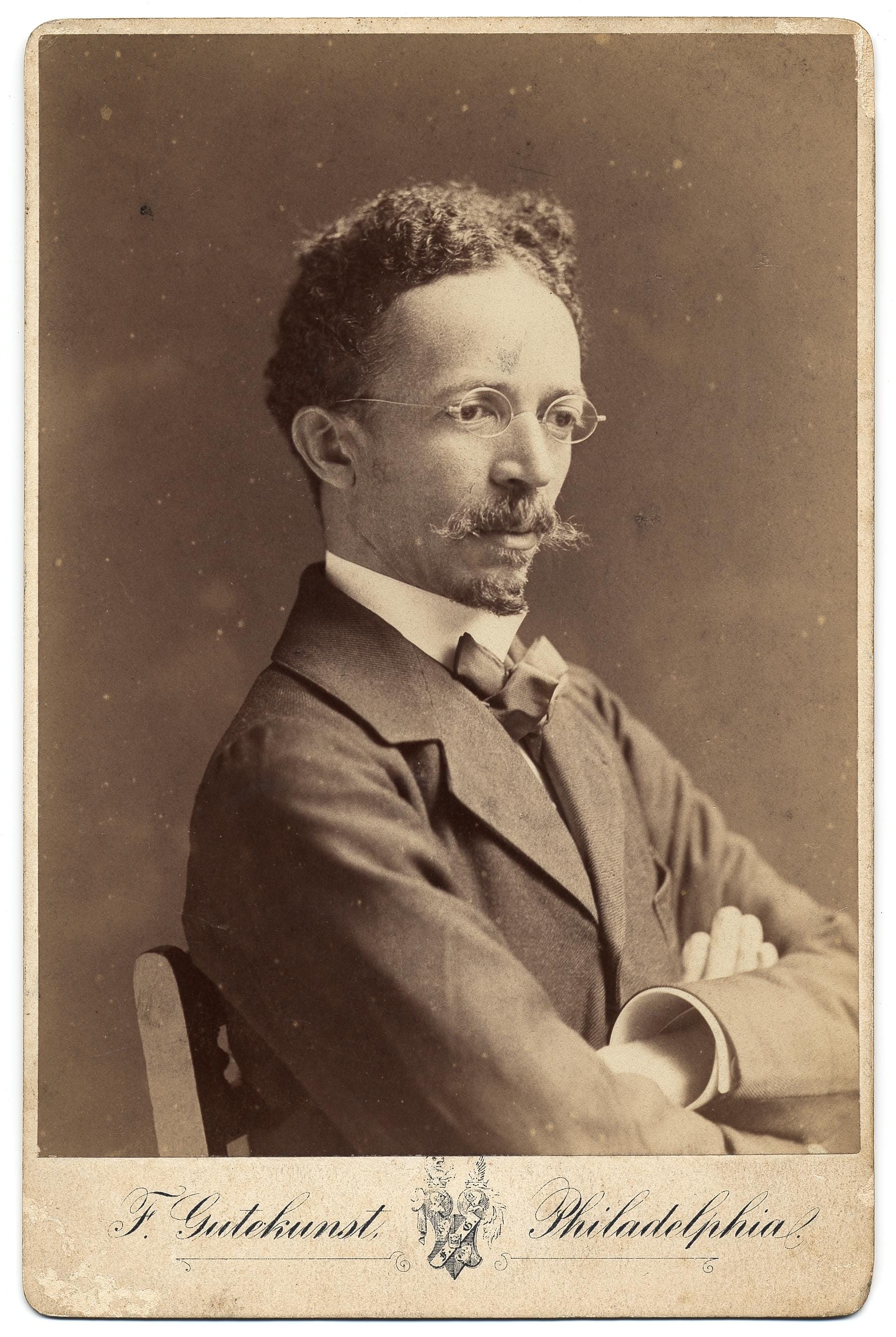
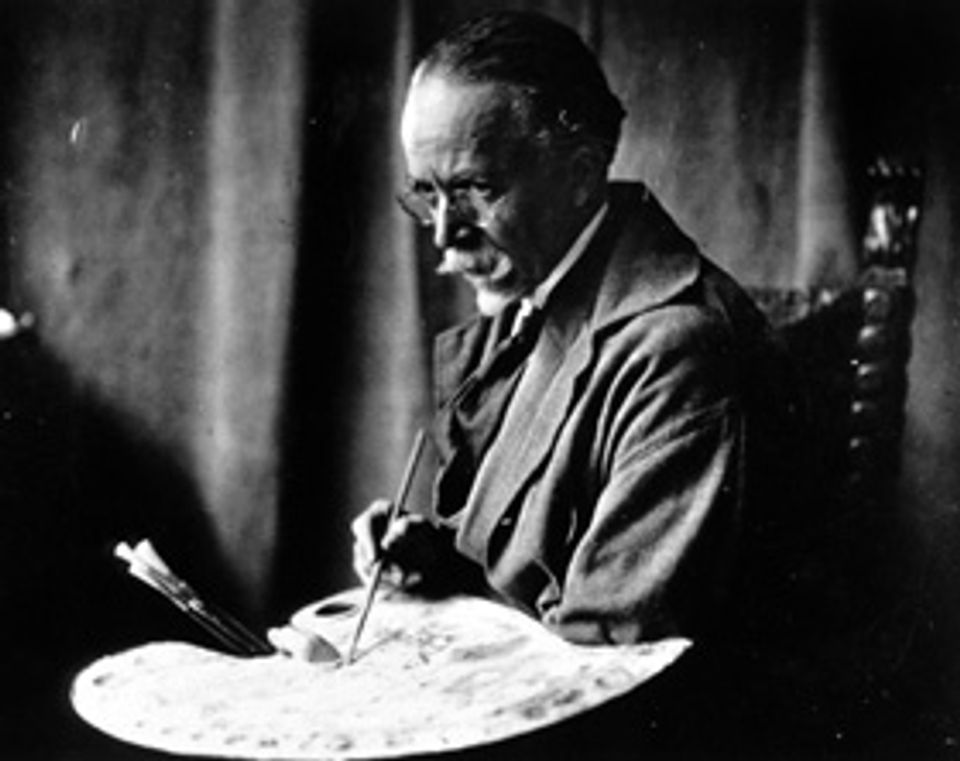
Today's Black History Month illustration is of Henry Ossawa Tanner (1859-1937), the first Black painter to gain international acclaim for his depiction of landscapes and biblical themes.
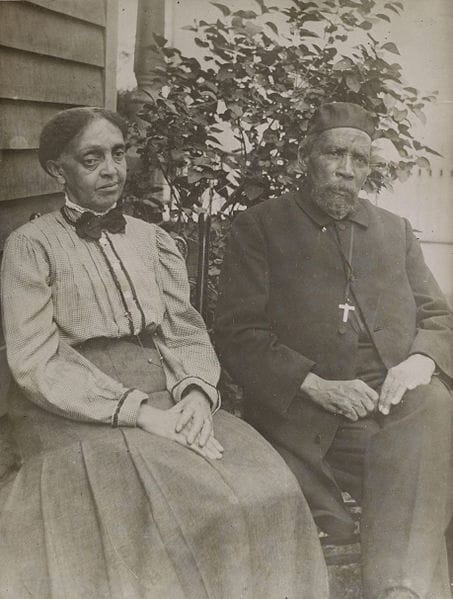
Tanner was born in 1859 in Pittsburgh, Pennsylvania. He was the first of nine children born to Sarah Elizabeth Miller, a formerly enslaved woman who escaped her enslavers via the Underground Railroad, and Benjamin Tucker Tanner, an African Methodist Episcopal (AME) Bishop.
His middle name comes from the town Osawatomie, Kansas, where the abolitionist John Brown started his anti-slavery campaign.
When Tanner was young, the Tanner family moved to Philadelphia. While in Philly, he attended the Robert Vaux School, one of the few Black schools that offered a liberal arts education. Despite his father objecting, Tanner decided he wanted to become a painter when he was 13. He began his art career in 1876 by painting harbour scenes, landscapes, and animals from the Philadelphia Zoo.
After self-study, in 1880, he enrolled at Philadelphia’s prestigious Pennsylvania Academy of the Fine Arts (PAFA) where he was the only black student. Tanner made many connections among the artists and became a favorite of his teacher Thomas Eakins, one of the most important artists in American art history.
In 1888, Tanner secured a teaching position at Clark University in Atlanta with the help of Joseph C. Hartzell, a bishop from Cincinnati, Ohio. In 1890, Hartzell arranged an exhibition of Tanner’s works in Cincinnati, but when none of the paintings sold, Hartzell purchased Tanner’s entire collection.
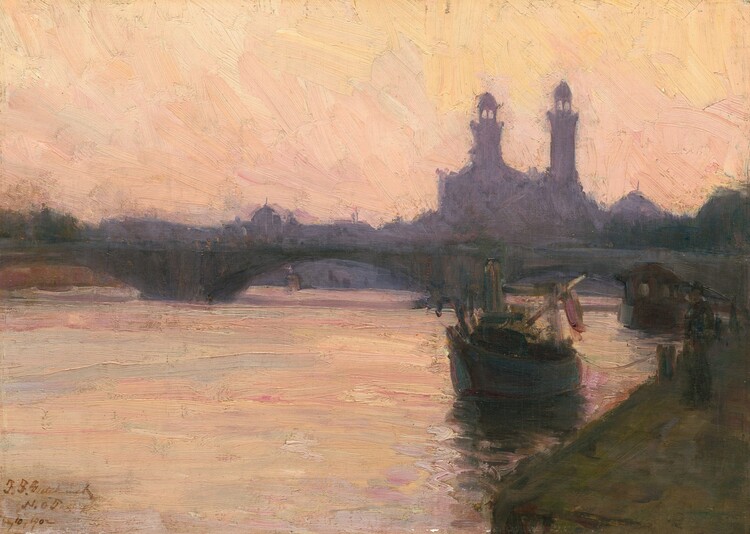
The money from Hartzell’s purchase allowed Tanner to travel to Paris in 1891 and enroll at the Academy Julian. During this time, he made Paris home because he felt less affected by prejudice.
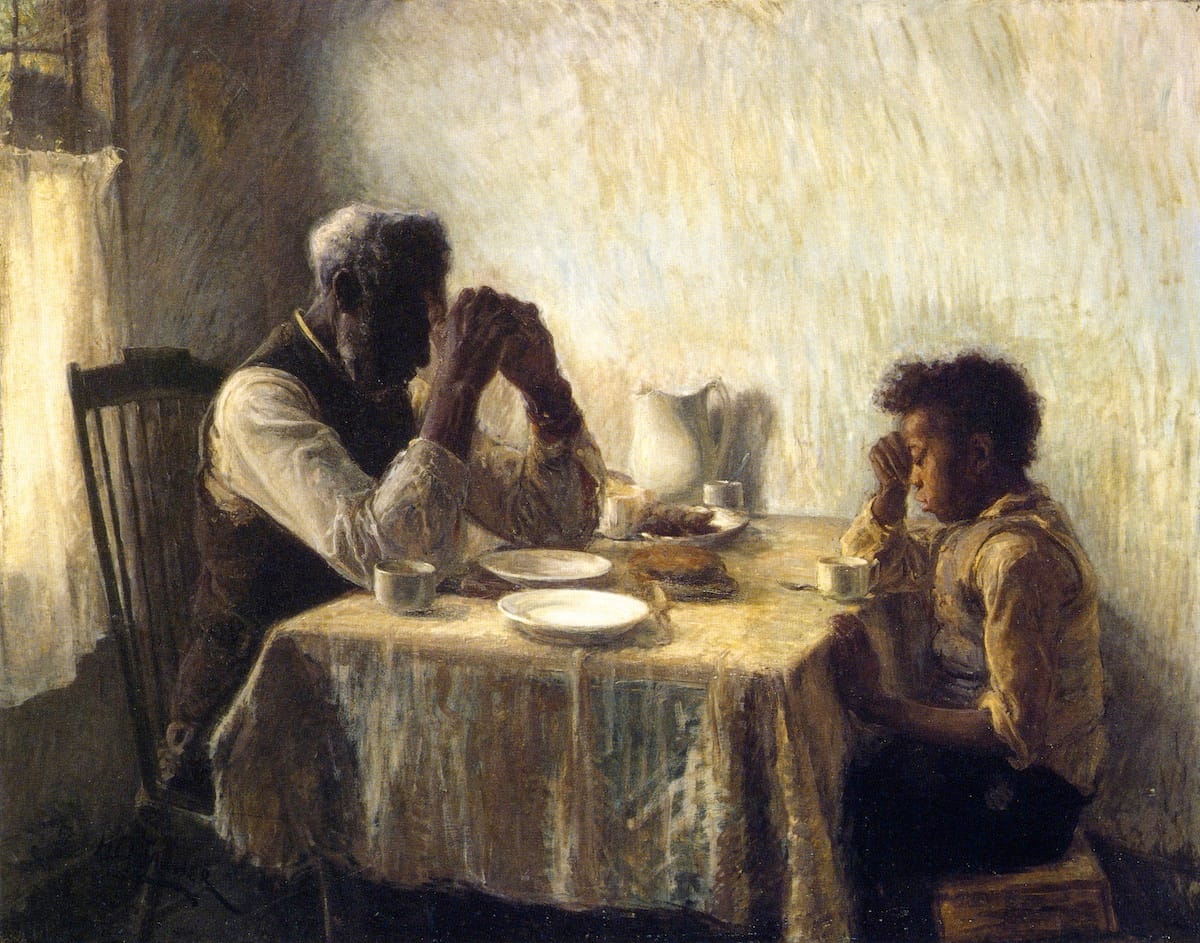
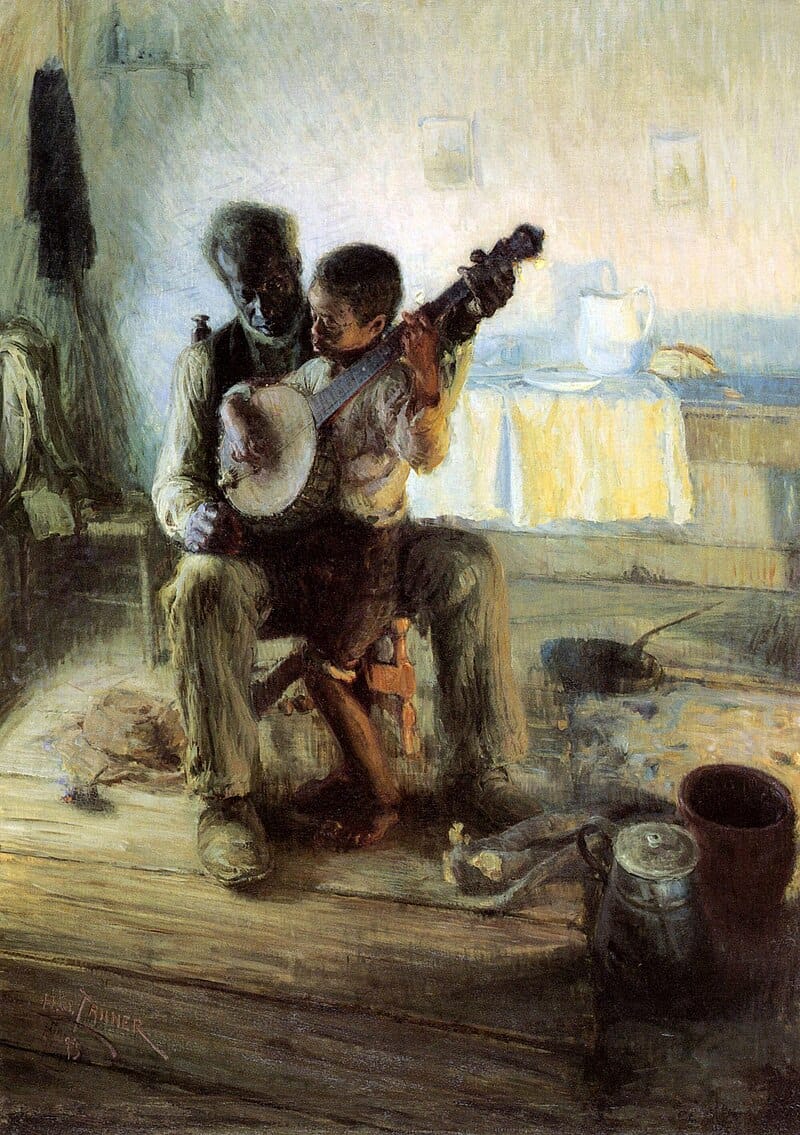
His greatest early work depicted Black people and tender moments. His most famous painting, “The Banjo Lesson” where an older man was teaching a young boy how to play the banjo was created while visiting family in Philly in 1893.
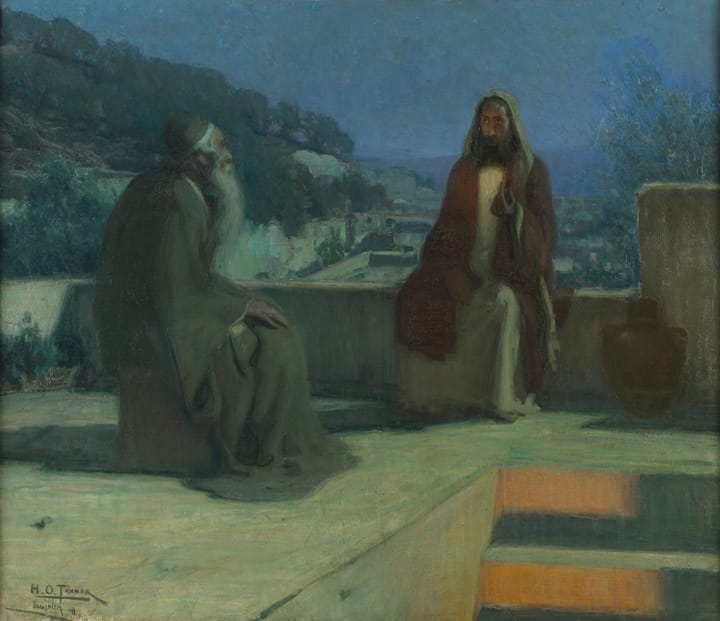
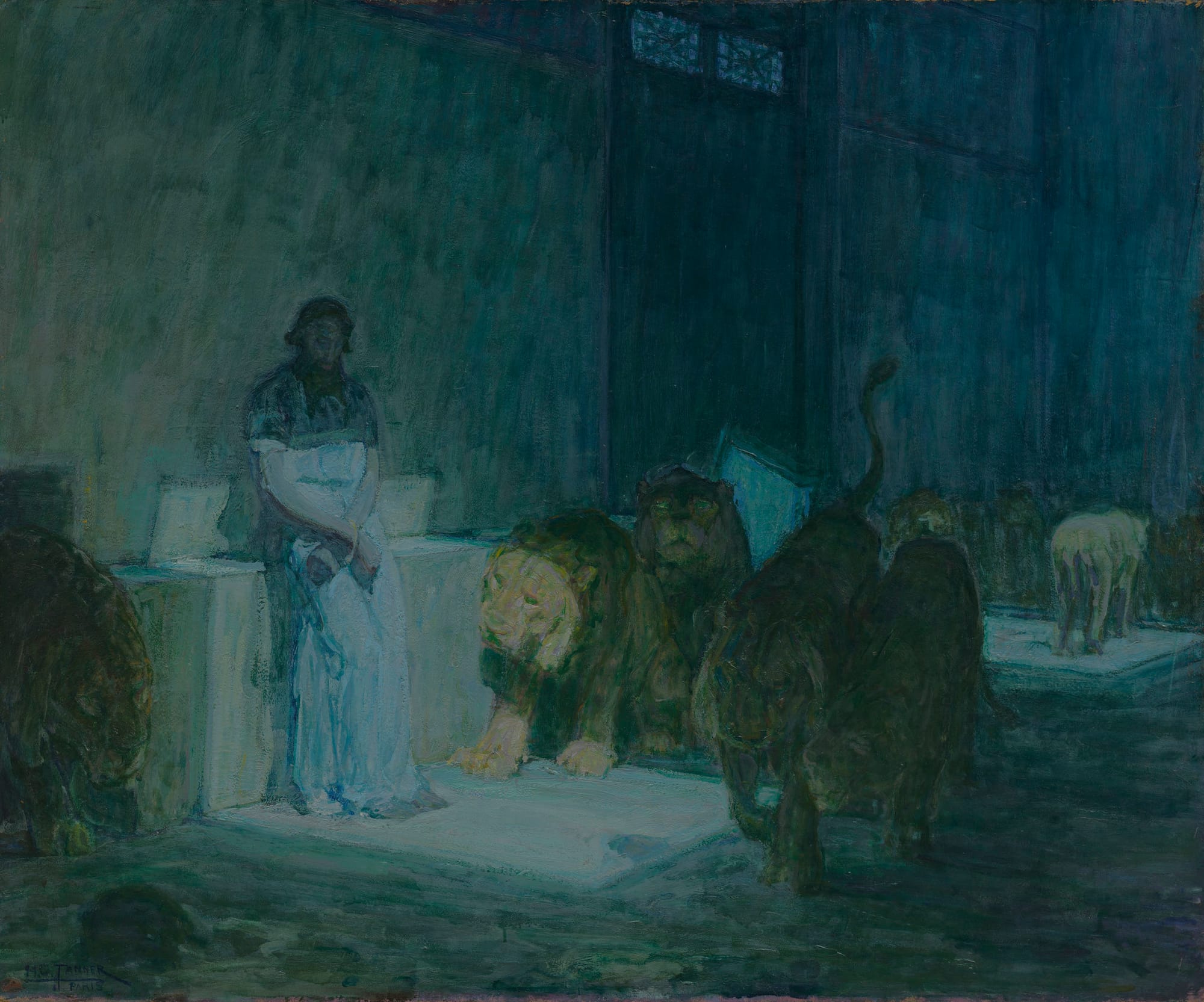
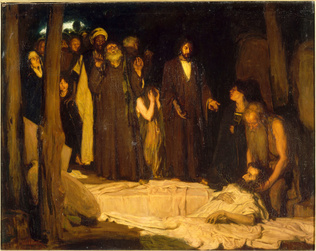
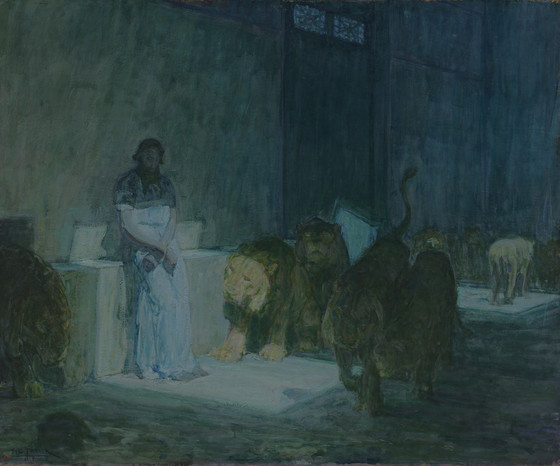
By 1894, his paintings were critically admired in the US and in Europe. In 1899, he created one of his most famous works, “Nicodemus Visiting Jesus,” which won PAFA’s Lippincott Prize in 1900. Through the rest of his life, he shifted focus to religious scenes and continued to receive praise and honors for his work.
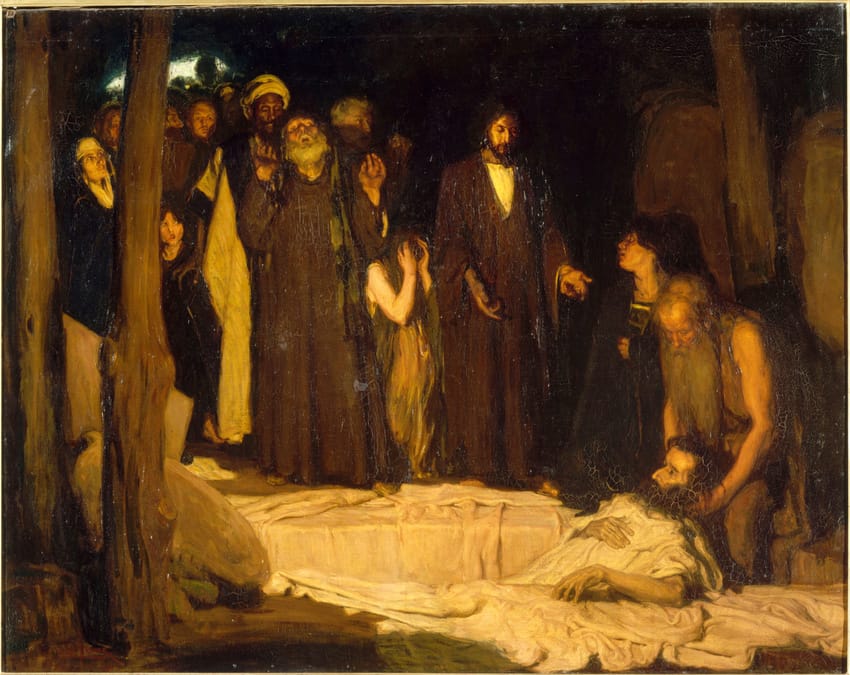
He was named honorary chevalier of the Order of Legion Honor (France’s most distinguished award) in 1923. In 1927, Tanner was made a full academician of the National Academy of design, becoming the first Black person to receive the distinction.
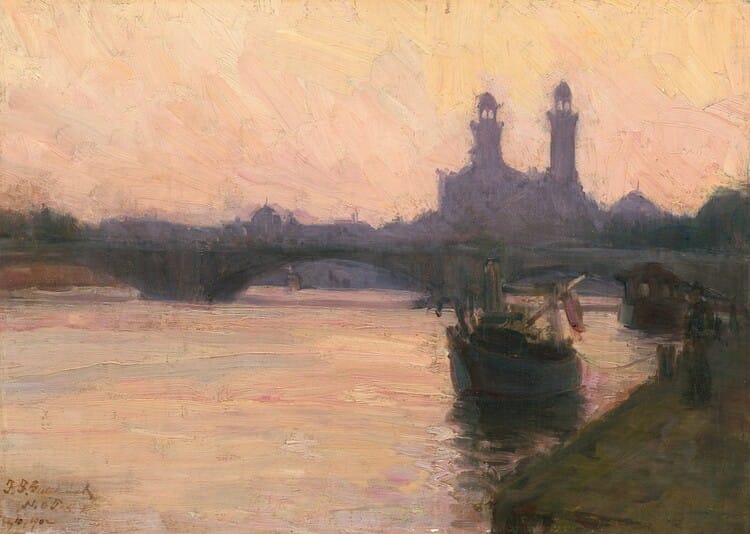
After Tanner’s death in Paris in 1937, his name recognition declined until 1969 when the Smithsonian in Washington DC exhibited a few of his works. This exhibition was the first major solo exhibition of a Black artist in the United States.
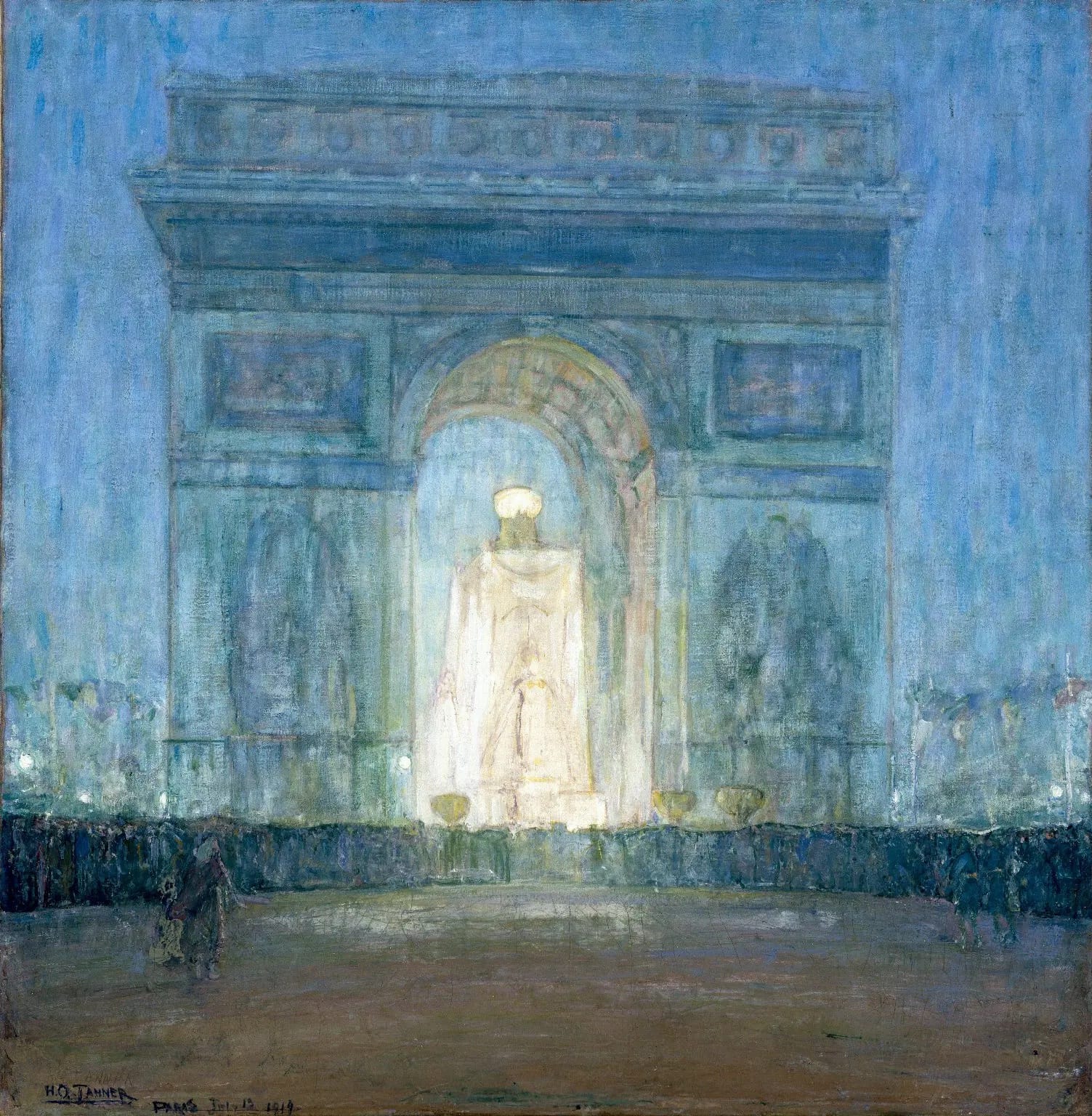
In 1991, the Philadelphia Museum of Art assembled a touring exhibition of his work, sparking a new wave of interest.
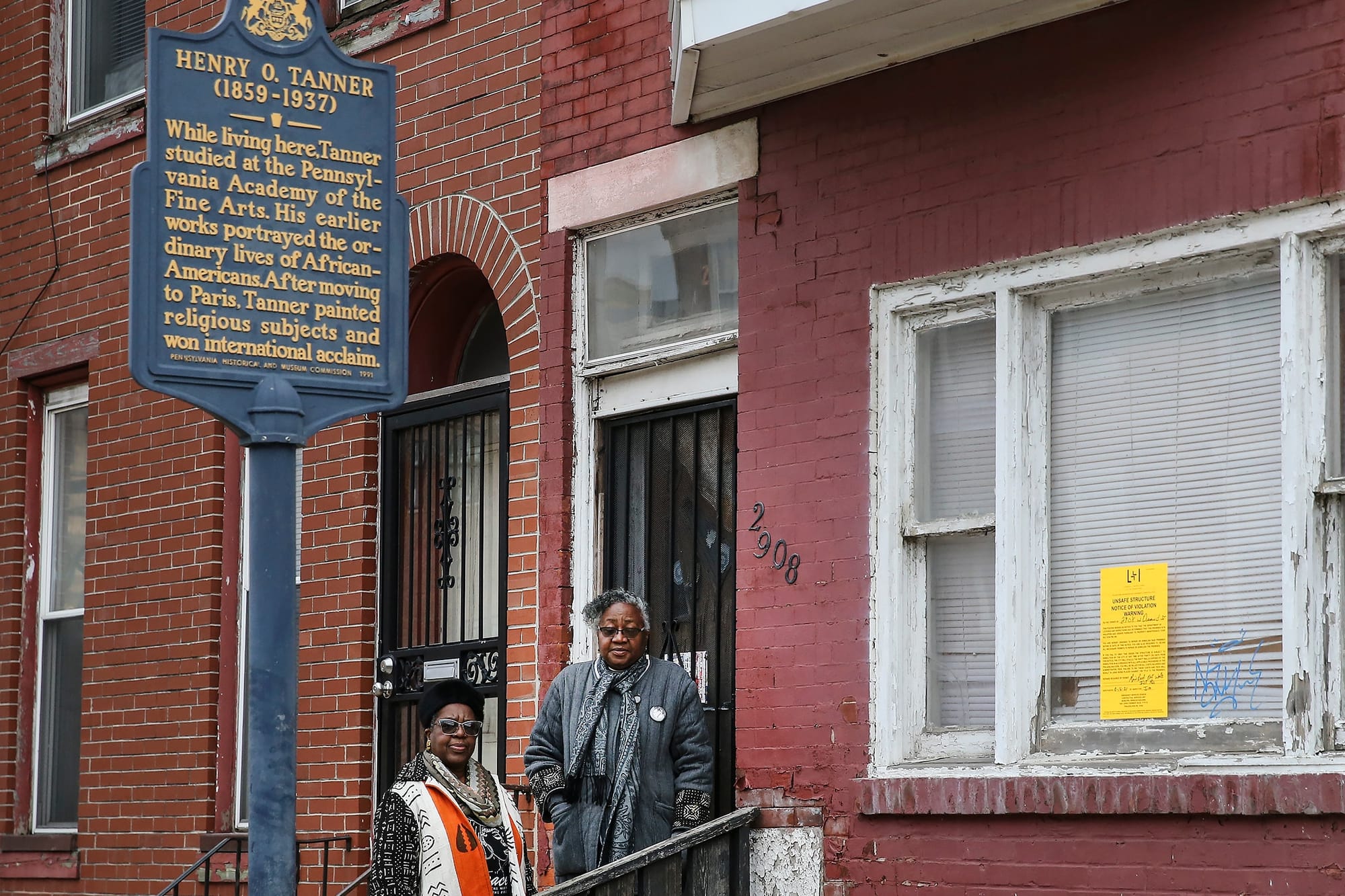
Side note: The Tanner House is on 2908 West Diamond Street in North Philadelphia (Strawberry Mansion). It gained recognition as a National Historic Landmark in 1976, but it fell into disrepair. Preservation Alliance for Greater Philadelphia is the fiscal sponsor, but to donate to the Tanner House Campaign, you can go to the Friends of the Tanner House website.
My illustration of Henry Ossawa Tanner is available as an art print here.
I’ll be back on Wednesday with another illustration and story!
-Alleanna
Thank you for reading! My blog and newsletter are reader-supported, so to help me keep it going, you can share this post with someone who would like it, read my books, or buy a Black history art print!
If you’re seeing this blog for the first time, you can read previous posts here and subscribe below.
Further watching and reading:
Video: The Life and Work of Henry Ossawa Tanner by Anna O. Marley, Chief of Curatorial Affairs, Kenneth R. Woodcock Curator of Historical American Art at the Pennsylvania Academy of the Fine Arts
Video: In Pursuit of the Ideal Effect: Examining the Materials and Techniques of Henry Ossawa Tanner - Conservators Amber Kerr-Allison and Brian Baade with the Smithsonian American Art Museum (1 hr 10 mins)
Project Report: Henry Ossawa Tanner House by the Center for the Preservation of Civil Rights Sites
Shop: Save The Tanner House Solidarity T-Shirt by Philadelphia Print Works
Website: News & Updates by Friends of the Tanner House
Sources:


https://artbridgesfoundation.org/artworks/tanner-the-thankful-poor
https://home.hamptonu.edu/msm/










Member discussion